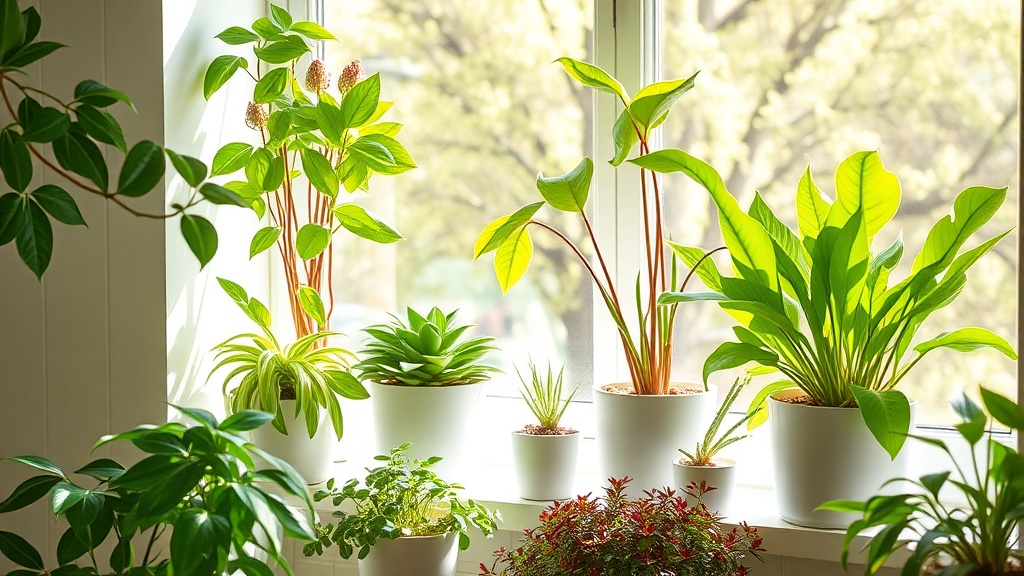
Spring Refresh: A Beginner’s Guide to Easy Indoor Gardens for Mood and Air Quality

Why Bring a Little Green Inside This Spring?
When the snow melts and the days get longer, my kids start asking why the house feels so stale. I used to spend weeks planning a family camping trip, but this year I decided to bring a slice of the outdoors inside. A few well‑placed houseplants can lift moods, clear the air, and give your home a fresh, spring‑time vibe without a single mile of travel.
How I Turned a Blank Living‑Room Corner into a Mood‑Boosting Garden
As a former project manager, I love a good checklist. Below is my step‑by‑step plan that any beginner can follow, even if you’ve never kept a plant alive.
1. Choose the Right Spot
Look for a sunny windowsill that gets at least 4‑6 hours of indirect light. If you’re in a north‑facing apartment, a bright LED grow light works just as well. I measured the light with a phone app and noted the hours—simple, data‑driven, and repeatable.
2. Pick Low‑Maintenance Plants
These five plants are practically fool‑proof and each tackles air‑quality or mood in a different way:
- Snake Plant (Sansevieria) – Filters formaldehyde and is virtually indestructible.
- Spider Plant (Chlorophytum comosum) – Removes benzene and adds a splash of green.
- Peace Lily (Spathiphyllum) – Improves humidity and lifts spirits with white blooms.
- ZZ Plant (Zamioculcas zamiifolia) – Thrives on neglect, perfect for busy families.
- Aloe Vera – Cleanses indoor air and provides a handy skin‑soother for accidental cuts.
3. Gather Your Materials
Here’s my quick‑shopping list (all items fit under $30 total):
- Three 6‑inch pots with drainage holes.
- Potting mix formulated for indoor foliage.
- Small pebble tray for humidity.
- Watering can with a narrow spout.
- Label stickers – I use color‑coded labels for each plant.
4. Plant and Position
Fill each pot with soil, place the plant, and top off with a few pebbles. I stagger the heights: a tall ZZ plant in the back, a medium‑sized peace lily in the centre, and a low‑lying snake plant forward. This creates visual depth and lets each leaf catch sunlight.
5. Set a Simple Care Routine
My family follows a two‑day schedule:
- Day 1 – Water: Check the top inch of soil; if dry, give each pot a thorough drink.
- Day 2 – Mist: Lightly mist the leaves of the peace lily and aloe to boost humidity.
- Repeat.
Mark the days on a kitchen whiteboard – the same board I use for my camping checklists. Consistency beats perfection.
Bonus: Quick DIY Plant Shelf
If you have a spare bookshelf, turn it into a tiered garden. I used three reclaimed crates, sanded them, and painted them a soft sage. The result is a three‑level display that doubles as storage for gardening tools.
Internal Resources You Might Like
For more spring‑time home upgrades, check out these posts I’ve written:
- Low‑Cost Spring Home‑Office Ergonomics – a quick way to make your workspace feel fresher.
- Spring Digital Declutter – because a tidy screen is as calming as a tidy windowsill.
- Spring Sleep Reset – pair a good night’s rest with clean air for maximum mood boost.
Takeaway: A Small Green Habit Can Transform Your Home
By following this five‑step checklist, you’ll have a living, breathing spring refresh that improves air quality, lifts moods, and teaches the kids a bit of responsibility. And the best part? You won’t need a green thumb—just a spreadsheet‑style plan and a love for fresh air.