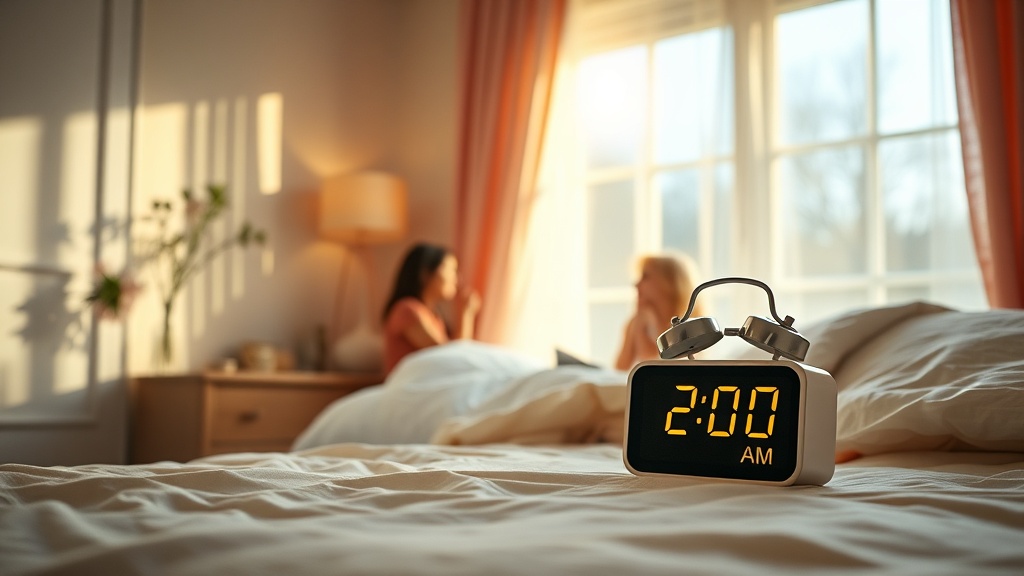
Spring Sleep Reset: How to Adjust Your Routine for Daylight Saving Time and Boost Energy

Did you lose an hour of sleep last night?
You're not alone. When the clocks jump forward for daylight saving time, many of us feel groggy, irritable, and low on energy. The good news? You can turn this seasonal disruption into a chance to reset your sleep routine and start spring feeling refreshed.
Why does daylight saving time mess with our sleep?
Daylight saving time (DST) shifts the clock forward one hour, effectively shortening the night. Our bodies run on a circadian rhythm – a 24‑hour internal clock that syncs with natural light. When we lose an hour, melatonin production is delayed, and the timing of sleep‑inducing hormones gets out of sync. Studies from the National Sleep Foundation show a 40% increase in sleep‑related complaints the week after the spring shift.
How can I shift my bedtime before the clocks change?
Gradual adjustment is key. Here’s a simple 5‑day plan:
- Day 5‑4: Go to bed 10‑15 minutes earlier than usual.
- Day 3‑2: Add another 10‑15 minutes earlier.
- Day 1: Aim for the target bedtime (one hour earlier).
- Morning of DST: Keep the new schedule; avoid “catch‑up” naps.
- Week after: If you feel tired, add a short 20‑minute power nap before 3 p.m.
Tip: Use a time‑and‑date.org calendar reminder so you don’t forget the incremental shifts.
Which light exposure strategies help reset my circadian rhythm?
Light is the most powerful cue for our internal clock. Follow these rules:
- Morning sunshine (30‑60 min): Open curtains or step outside within 30 minutes of waking. Natural blue light tells your brain it’s daytime.
- Avoid blue screens after 7 p.m.: Use night‑mode on phones, or wear blue‑light‑blocking glasses.
- Dim evening lights: Switch to warm‑white bulbs (2700 K) after sunset to encourage melatonin release.
- Evening ritual: A brief 5‑minute meditation or light stretching in low light signals winding down.
Harvard Health notes that consistent light exposure can shift the circadian phase by up to 2 hours in just a few days [source].
What evening rituals support better sleep during the spring shift?
Creating a calming bedtime routine helps your body accept the new schedule.
- Set a “wind‑down” alarm: 60 minutes before bedtime, a gentle reminder to start the routine.
- Limit caffeine after 2 p.m.: Even a small cup can linger for 6 hours.
- Hydrate wisely: A glass of water is fine, but avoid large meals or excess fluids right before bed.
- Read a physical book: Paper doesn’t emit blue light and can be soothing.
- Use a scent cue: Lavender or chamomile essential oil signals relaxation.
My family swears by a short “story‑time” with the kids – it’s a fun way to transition from play to sleep.
How can I keep my energy high throughout the day after the switch?
Even with a perfect night, the first few days can feel sluggish. Here’s how to stay sharp:
- Morning movement: A 10‑minute walk or gentle yoga boosts circulation and resets the clock.
- Strategic caffeine: One cup of coffee before 10 a.m. can improve alertness without affecting night sleep.
- Stay hydrated: Dehydration mimics fatigue.
- Snack smart: Pair protein with a complex carb (e.g., apple + peanut butter) to avoid blood‑sugar crashes.
According to the CDC, adults need 7‑9 hours of sleep for optimal daytime performance. Aim for the lower end during the transition, then gradually increase.
Family‑Friendly Sleep Reset Tips
Getting the kids on board makes the whole household smoother:
- Turn bedtime lights off 30 minutes earlier for the whole family.
- Make a “sunrise alarm” playlist with gentle acoustic songs.
- Involve kids in the light‑exposure plan – a quick “sun‑check” after breakfast can be a fun habit.
Our recent post on circadian rhythm optimization for women dives deeper into hormone‑specific benefits if you’re curious.
Takeaway
Daylight saving time doesn’t have to be a nightmare. By nudging your bedtime, mastering light exposure, and building calming evening rituals, you’ll sail through the spring shift with more energy and fewer groggy mornings. Start the plan now – the sooner you begin, the smoother the transition.
Related Reading
- Embracing Bio‑Harmony: Sync Your Family Life with Your Circadian Rhythm – A deeper look at whole‑family rhythm syncing.
- Spring Digital Declutter: A Step‑by‑Step Guide – Clear mental clutter to complement your sleep reset.
- Spring Camping Trip Ideas – Plan a restorative weekend after you’ve reset your sleep.