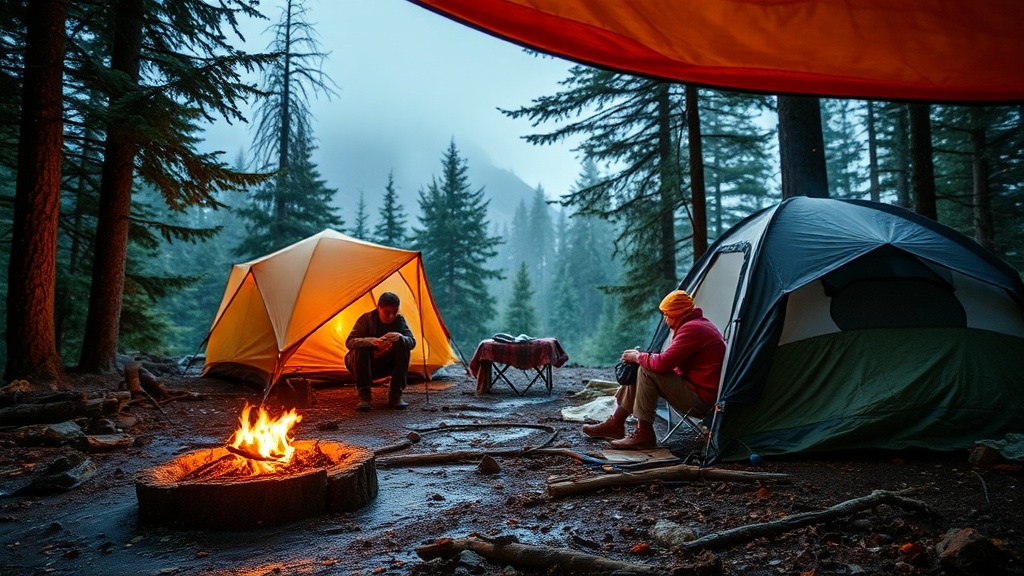
Weatherproofing Your Family's Next Camping Adventure: Strategies for Unpredictable Conditions

Weatherproofing Your Family's Next Camping Adventure: Strategies for Unpredictable Conditions
Did you know that over 40% of outdoor enthusiasts report having a trip significantly altered or cut short due to unexpected weather changes? Planning a family camping trip often conjures images of sunny days, crackling campfires, and clear starry nights. But reality, especially in the great outdoors, can be less predictable. From sudden downpours to unexpected cold snaps or even surprising heat waves, being unprepared can quickly turn a cherished family memory into a soggy, uncomfortable ordeal. This guide is designed to equip you with the strategic foresight and practical checklists needed to ensure your family's camping trip remains enjoyable and stress-free, no matter what Mother Nature decides to throw your way.
How Can I Pack Smart for Any Weather Forecast?
Smart packing isn't just about fitting everything into the car; it’s about anticipating needs and layering effectively. Think of it as a meticulously organized inventory system for comfort and safety. The key here is versatility and protection.
- Layering is Your Best Friend: This isn't just a suggestion; it's a foundational principle of outdoor comfort. Pack moisture-wicking base layers (synthetic or wool), insulating middle layers (fleece or down), and waterproof/windproof outer shells. This allows everyone to adjust their clothing quickly as temperatures fluctuate throughout the day and night. Remember, cotton is notorious for absorbing moisture and taking ages to dry, making it a poor choice for active outdoor wear.
- Waterproof Everything That Matters: Beyond rain jackets and pants, consider dry bags or heavy-duty garbage bags for sleeping bags, spare clothes, and electronics. Even inside a tent, condensation or an unexpected leak can ruin essential items. A small, lightweight tarp can also serve as an emergency shelter, a ground cover under your tent, or an extra rain fly.
- Footwear for All Terrains (and Weathers): Each family member needs at least two pairs of shoes: one waterproof pair (like hiking boots or rain boots) for wet conditions and another comfortable, breathable pair for dry days around camp. Don’t forget extra socks — wool or synthetic are best — as wet feet are unhappy feet.
- Sun Protection Beyond Sunscreen: While sunscreen is vital, wide-brimmed hats, sunglasses, and lightweight, long-sleeved clothing offer continuous protection from harmful UV rays, which can be intense even on cloudy days or at higher altitudes. A pop-up sun shelter for your campsite can provide much-needed shade during peak sun hours.
- Quick-Dry Towels: These compact towels are incredibly absorbent and dry rapidly, making them far more practical than bulky cotton towels for camping. Pack one for each family member, plus a few extras for general camp use.
What Emergency Gear Should Always Be in My Camping Kit?
Even the most meticulously planned trips can encounter unforeseen challenges. Having a well-stocked emergency kit isn't about paranoia; it’s about responsible preparedness. This is your insurance policy against discomfort and potential danger.
- Comprehensive First-Aid Kit: Go beyond the basics. Include bandages, antiseptic wipes, pain relievers, allergy medication, any personal prescriptions, molekskin for blisters, and a snake bite kit if you're in a relevant region. Consider taking a wilderness first aid course to feel more confident in handling minor injuries. The American Red Cross offers excellent resources for