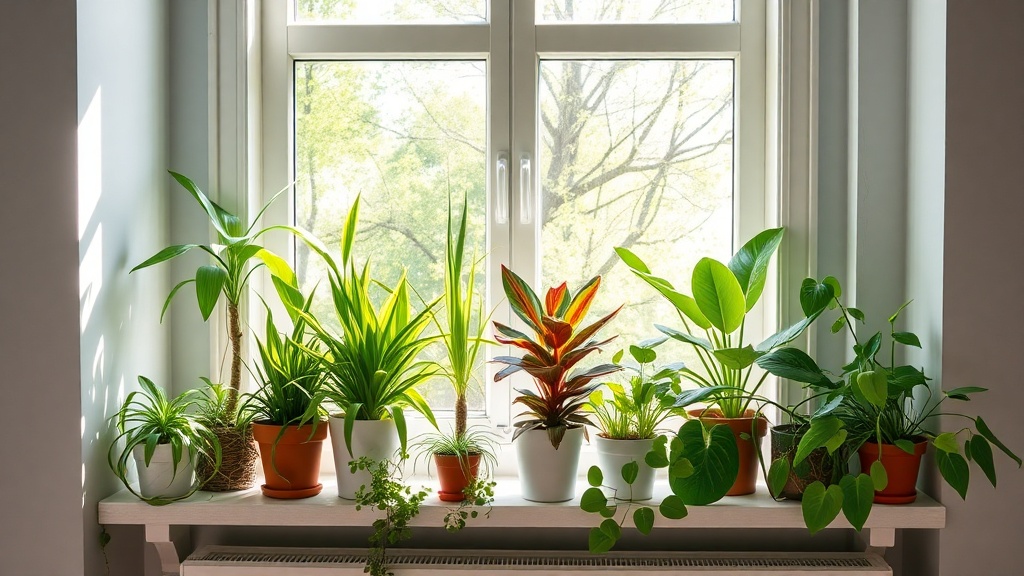
Spring Refresh: 5 Easy Indoor Gardens to Boost Mood & Air

Hook
Ever walked into a room and felt instantly calmer? A handful of well‑chosen houseplants can do that, and they also scrub the air you breathe. With spring in the air, it’s the perfect moment to turn a few sunny windowsills into mini‑oases.
Why a Spring Indoor‑Garden?
Spring isn’t just for outdoor adventures; it’s the season of renewal inside your home too. Adding greenery boosts mood, reduces stress, and — thanks to NASA’s research — filters pollutants like formaldehyde and benzene. The best part? You don’t need a green thumb or a huge budget. Below are five low‑cost projects you can start this weekend.
1. Spider Plant Shelf: A Low‑Maintenance Air Cleaner
What makes the spider plant a spring‑time star? It tolerates low light, thrives on occasional watering, and is a proven air‑purifier (NASA’s Clean Air Study).
What you’ll need: A shallow floating shelf, a pot with drainage, and a spider plant (Chlorophytum comosum).
Step‑by‑step:
- Place the shelf about 4‑5 ft above the floor near a bright, indirect‑light window.
- Fill the pot with a lightweight potting mix; plant the spider plant, ensuring the crown sits just above the soil line.
- Water lightly until the soil feels moist, then let it dry out for a day before the next watering.
- Every 2‑3 weeks, trim any brown tips and propagate the baby “spiderettes” into extra pots for a growing collection.
Pro tip: Add a thin layer of decorative pebbles on top of the soil for a polished look and extra moisture retention.
2. Herbs on the Kitchen Window: Fresh Flavors & Mood‑Lifting Scents
Why herbs? Basil, mint, and rosemary release aromatic oils that can improve focus and reduce anxiety. Plus, you’ll have fresh herbs for cooking.
What you’ll need: Three small 4‑inch pots, potting soil, and herb seedlings (or seeds).
Step‑by‑step:
- Choose a sunny kitchen window that gets at least 5‑6 hours of direct light.
- Plant each herb in its pot, spacing them about 2 inches apart.
- Water just enough to keep the soil damp but not soggy; herbs love a quick dry‑out between waterings.
- Harvest leaves as needed—snipping encourages bushier growth.
Pro tip: Use a clear glass jar as a mini‑greenhouse for seedlings during the first week to retain humidity.
3. Snake Plant Corner: The Ultimate Night‑Time Oxygen Booster
What’s special about snake plants? Sansevieria trifasciata releases oxygen at night, making it ideal for bedrooms.
What you’ll need: A tall decorative pot (8‑10 inches), cactus‑type potting mix, and a snake plant.
Step‑by‑step:
- Pick a low‑light corner in the bedroom or hallway.
- Place the pot on a decorative tray to catch any water.
- Water sparingly—once every 3‑4 weeks is enough; over‑watering is the most common mistake.
- Wipe leaves with a damp cloth every month to keep dust from blocking light.
Pro tip: Pair the snake plant with a small LED grow light set to a 12‑hour cycle for winter months.
4. DIY Terrarium: A Mini‑Ecosystem for Any Room
Why a terrarium? It’s a compact, eye‑catching project that can house air‑purifying succulents like Haworthia or small ferns.
What you’ll need: A glass container (jar or fishbowl), small stones, activated charcoal, potting soil for succulents, and chosen plants.
Step‑by‑step:
- Layer the bottom with stones for drainage, then a thin layer of charcoal to keep the environment fresh.
- Add a generous layer of soil, then gently place the plants, spacing them for growth.
- Lightly mist the soil, then seal the container if you want a closed‑cycle terrarium, or leave the lid off for succulents that need more airflow.
- Place the terrarium near indirect light; avoid direct sun to prevent overheating.
Pro tip: Include a small decorative element—like a polished stone or miniature figurine—to make the terrarium a conversation piece.
5. Pothos Hanging Basket: A Cascading Green Curtain
What makes pothos a spring favorite? It’s virtually indestructible, tolerates low light, and its trailing vines create a lush visual effect.
What you’ll need: A macramé hanging holder, a pot with drainage, potting mix, and a pothos cutting.
Step‑by‑step:
- Hang the macramé holder from a sturdy ceiling hook near a bright window.
- Plant the pothos cutting in the pot, ensuring the roots are covered but the cut stem sits just above the soil.
- Water once the top inch of soil feels dry; pothos prefers to dry out between waterings.
- Trim long vines back to 12‑inch lengths to encourage fuller growth.
Pro tip: Train the vines to drape over a nearby bookshelf for a natural “green curtain” that also catches dust.
Takeaway
Spring is the ideal time to invite a breath of fresh air—literally—into your home. Whether you choose a spider‑plant shelf, a kitchen herb garden, a night‑time snake plant, a DIY terrarium, or a hanging pothos, each project costs under $20, requires minimal upkeep, and instantly lifts mood while cleaning the air. Grab a pot, a little soil, and start your indoor‑garden adventure today. Need more inspiration? Check out our related guides: