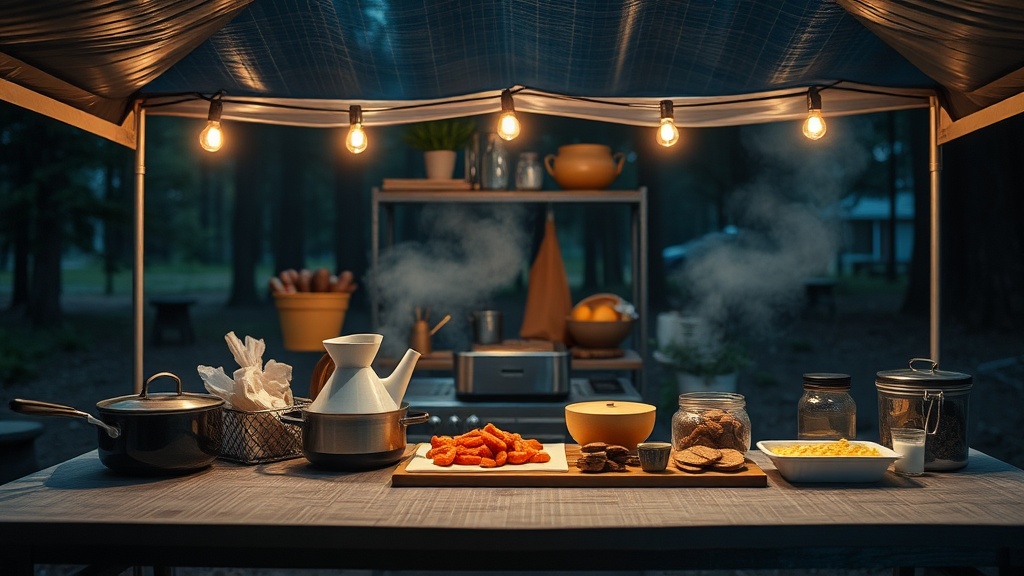
Setting Up a Family Camping Kitchen for Efficient Meal Prep

Are you tired of spending your entire camping trip hunched over a tiny stove or hunting through messy bins just to find a spatula? A well-organized kitchen setup is the difference between a relaxing evening under the stars and a stressful scramble that leaves everyone hungry and frustrated. This guide covers how to arrange your cooking gear, organize your ingredients, and manage your workflow so you can actually enjoy the view instead of staring at a pile of dirty pans.
When I moved from managing product launches at Target to managing two kids in a tent, I realized that a lack of system is what actually ruins a trip. It isn't the rain or the bugs—it's the chaos of not being able to find the salt or the lid to the pan. To avoid this, you need a dedicated workspace that works with the terrain and your family's specific needs. Whether you're using a single burner or a full camp stove, the way you arrange your tools determines how much time you spend "working" versus relaxing.
How do I organize my cooking gear for a small space?
The biggest mistake people make is treating their camping kitchen like a standard pantry. You can't just throw things in a bag and hope for the best. Instead, think about zones. You want a production zone (where the cooking happens), a prep zone (where you chop and mix), and a cleaning zone (where the dirty dishes go).
Start by using clear, airtight containers for dry goods like flour, sugar, or pasta. This keeps moisture out and lets you see exactly how much you have left at a glance. For smaller items like spices, don't bring the whole cabinet. Use a small, dedicated spice kit or even an empty egg carton to hold various seasoning packets. This saves an incredible amount of space in your bins.
I highly recommend using a heavy-duty plastic bin as your primary "kitchen base." This acts as your countertop and your storage all in one. If you're camping on uneven ground, a folding camp table is a better bet, but even then, you need a way to keep your small items from sliding. A non-slip silicone mat can act as a temporary workstation and prevent your cutting board from sliding around while you're trying to slice vegetables.
What are the best ways to store food safely and easily?
Food safety isn't just about avoiding a stomach ache; it's about making sure your heavy coolers aren't taking up all the room in your vehicle. A tiered approach to food storage works best. Heavy items and things that stay cold should live at the bottom of your cooler, while lighter, more delicate items stay on top.
To keep things organized inside the cooler, use color-coded bins or labeled bags. This way, you aren't digging through ice and melted water just to find the eggs. For dry goods, avoid the temptation to bring bulky original packaging. Transferring items into reusable silicone bags or lightweight plastic containers is a much better use of your limited space.
When it comes to temperature, remember that different foods have different needs. If you're traveling to a warmer climate, you might want to look into a high-quality cooler recommendation from Coleman to ensure your perishables stay at a safe temperature. Also, keep an eye on the CDC guidelines for food safety to ensure you're managing your temperature zones correctly, especially when eating outdoors in the heat.
Building a Workflow for Family Meals
A successful meal prep routine relies on doing as much work as possible before you even leave your house. This is where my old project management habits really kick in. If you can pre-chop onions, pre-cook your taco meat, or pre-crack your eggs into a leak-proof container, you've already won half the battle.
- Pre-Trip Prep: Chop vegetables and portion out sauces in small containers.
- Arrival Setup: As soon as you reach the campsite, set up your "kitchen" area. Don't wait until you're hungry to figure out where the stove goes.
- The Clean-As-You-Go Method: Have a dedicated bin for dirty dishes and a bucket for soapy water. Never let the dishes pile up on your prep surface.
- The Reset: Before bed, clear your workspace. A clean kitchen makes the next morning's breakfast much smoother.
One thing I've learned the hard way is that a small pile of dirty dishes can quickly turn into a mountain of stress if you don't have a system for washing them. Always have a dedicated wash station that is separate from your food prep area. This prevents cross-contamination and keeps your cooking surface clean and ready for the next step.
How can I maximize my cooking efficiency on a single burner?
If you are only using a single-burner stove, you have to be strategic. You can't cook three things at once, so you need to think in stages. Instead of trying to make a full meal on the stove, use the stove for the "hot" components and use your cooler or a pre-made salad for the "cold" components.
For example, if you're making tacos, use the stove to heat the meat, but keep the toppings (lettuce, cheese, salsa, tomatoes) in a separate, easy-access bin. This prevents the stove area from getting crowded and keeps your ingredients fresh. If you're using a single burner, consider a "one-pot" mentality. Meals like chili, pasta, or hearty stews are much easier to manage than a meal that requires multiple pans and timing-sensitive steps.
Make sure your workspace is level. A tilted stove is a recipe for a spilled pot of boiling water—and a very unhappy camper. If your ground is uneven, use a small piece of wood or a flat rock to level your stove before you even light the flame. This small step prevents so many accidents.
Finally, always keep a small trash bag attached to your kitchen setup. If you have to walk to the campground's central trash bin every time you have a scrap of food, you'll lose your momentum. Having a dedicated, easy-to-reach spot for waste keeps your cooking area clean and prevents attracting unwanted wildlife to your campsite.