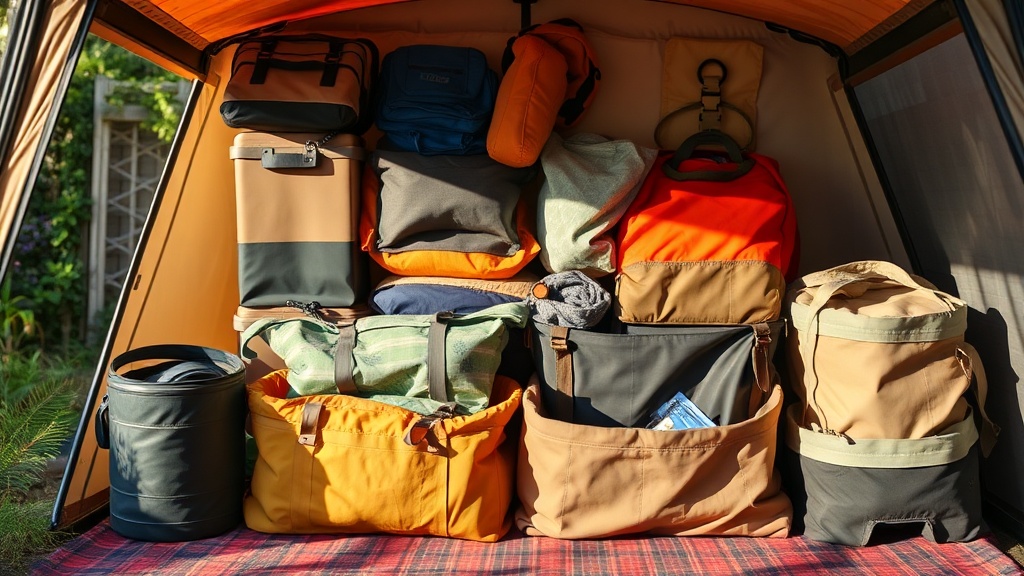
Organizing Your Family Camping Gear with a Tiered System

Imagine pulling into your campsite after a four-hour drive, only to realize your kids' pajamas are buried at the bottom of a heavy bin, right underneath the heavy cast-iron skillet. You spend the next twenty minutes digging through plastic containers while the sun dips below the trees and the temperature starts to drop. It's a frustrating way to start a trip, and honestly, it's completely avoidable. A structured approach to gear organization ensures you spend your time looking at the stars rather than looking for a flashlight.
When I transitioned from managing product launches to managing family camping trips, I realized that the chaos of a messy trunk is the enemy of a good time. I don't just want things packed; I want them categorized by frequency of use and accessibility. This method relies on grouping items into specific "zones" so that the most important things stay within arm's reach and the heavy, rarely used items stay tucked away. It's about building a system that works for the way a family actually moves through a campsite.
What is the Best Way to Organize Camping Gear for Families?
The most effective way to organize is by using a tiered system based on how often you reach for an item. I divide everything into three distinct categories: The Immediate Access Zone, The Daily Use Zone, and The Deep Storage Zone. This prevents the "digging through the bin" fatigue that ruins many evenings.
- The Immediate Access Zone: These are the items you need within the first fifteen minutes of arrival. Think of your tent stakes, mallet, leveling blocks, and the basic tool kit. You shouldn't have to hunt for these once the car is parked.
- The Daily Use Zone: This includes your cooking gear, coffee-making supplies, and lighting. These items should be in clearly labeled, stackable bins that are easy to grab and move to the picnic table.
- The Deep Storage Zone: These are the items you only need once a day or once a week, like your sleeping bags, extra pillows, or heavy kitchenware. These stay in the back of the vehicle or in the lower sections of your storage bins.
Using clear bins is a smart move (though they can be a bit more expensive than opaque ones), as it allows you to see exactly what's inside without opening every single lid. If you prefer a more budget-friendly route, a heavy-duty permanent marker and some bright-colored duct tape can turn any standard bin into a labeled, organized system.
How Do I Pack a Vehicle for Maximum Efficiency?
Packing a vehicle is much like a game of Tetris, but with higher stakes. You need to consider weight distribution and accessibility. I always put the heaviest items—like the cooler and water jugs—on the floor of the vehicle or in the center-most part of the trunk. This keeps the center of gravity low and stable. If you are driving a larger SUV or a van, avoid stacking heavy items on top of fragile ones; a single heavy cooler can easily crush a bag of marshmallows or a lightweight camping chair if you aren't careful.
A good rule of thumb is to pack in reverse order of when you need the items. The first thing you'll need when you arrive is your campsite setup gear (tent, chairs, table). That goes in last. The things you won't need until the next morning (extra clothes, spare shoes) go in first. For more tips on vehicle safety and weight distribution, the
I've found that using magnetic strips or small mesh bags for items like cutlery or even small tools can save a massive amount of space. If you're using a camp stove, keep a dedicated "Fuel and Fire" kit that includes your propane, a lighter, and perhaps a small fire starter. This keeps your cooking area separate from your cleaning area, which is a mistake I see many people make.
One of my favorite tricks is to use collapsible silicone bowls and containers. They save a ton of space in your bins and can be nested together when they're empty. This is especially helpful if you're traveling in a smaller vehicle or a van where every inch of space counts. For those looking to build out a more serious outdoor kitchen, sites like REI offer a great selection of modular gear that is built to withstand the rigors of the outdoors.
Don't forget about the "dirty" side of the kitchen. Having a dedicated bin for dirty dishes and a separate one for trash is vital for keeping your campsite clean and preventing unwanted critters from hanging around your sleeping area. A clean campsite is a happy campsite, and a organized one is much easier to maintain once the sun goes down.
The key to a successful trip isn't just having the right gear—it's knowing exactly where that gear lives. When you build a system of labeled, tiered, and modular containers, you aren't just packing a car; you're setting yourself up for a smooth, stress-free experience. The next time you prepare for a trip, take the extra twenty minutes to categorize your bins. Your future, tired self will thank you when you're looking for that one specific spatula in the dark.