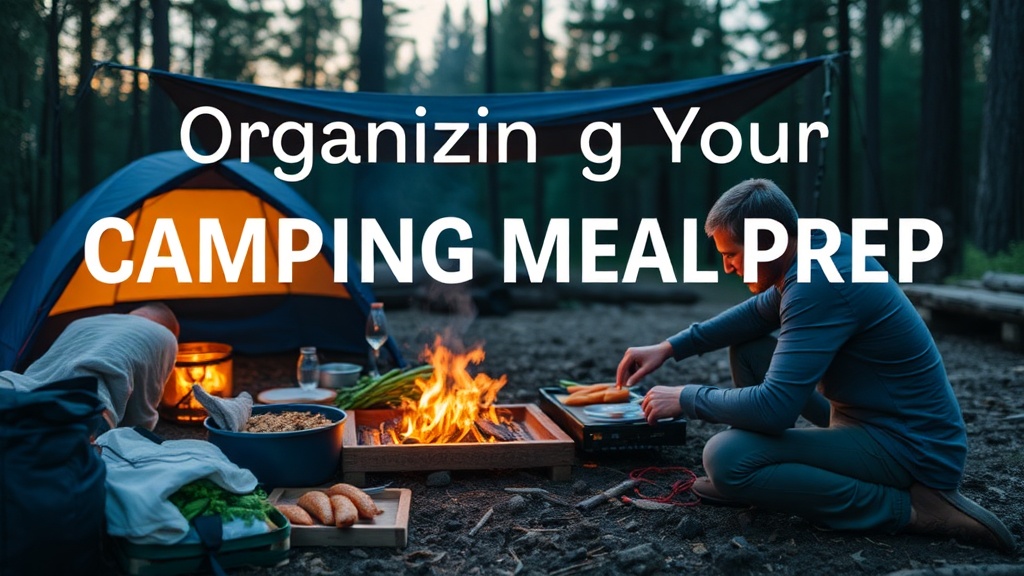
Organizing Your Camping Meal Prep for Stress-Free Family Dinners

You'll learn how to organize your food, prep meals before you leave home, and manage your camp kitchen to ensure every family dinner is a success. Planning your meals isn't just about deciding what to eat; it's about minimizing the time you spend cleaning up so you can spend more time sitting around the fire with your kids. A well-organized food system prevents the mid-trip panic of realizing you forgot the salt or that your meat is leaking juice onto your fresh vegetables.
When I worked in project management, I lived by the rule that preparation is 90% of the work. I apply that same logic to our family camping trips. Instead of arriving at the campsite and realizing we have zero plan for dinner, I treat my food prep like a small-scale product launch. You need a clear timeline, a dedicated list of ingredients, and a foolproof way to store them.
How do I prep camping meals at home?
The secret to a smooth outdoor kitchen is doing as much work as possible in your own kitchen before you even pack the car. This isn't just about chopping onions; it's about creating a system that reduces friction when you're standing at a camp stove. If you're trying to chop vegetables in the dark or in the wind, you're going to have a bad time.
Start by prepping your "wet" ingredients. If a recipe calls for minced garlic or chopped onions, do it at home and store it in small, airtight containers. I also highly recommend pre-mixing any dry spices into small jars or even using single-use bags. This prevents you from having to bring five different spice bottles to the site. If you're making a taco night, have the meat seasoned and cooked already. This cuts your cooking time down from twenty minutes to five, which is a huge win when the kids are hungry and cranky.
Another tip is to use the "baggie method" for everything. Instead of bringing bulky Tupperware that takes up a massive amount of cooler space, use heavy-duty freezer bags. They stack better, they're lighter, and they don't take up as much room in the ice melt. Just be sure to label them clearly with a permanent marker. You don't want to be guessing if a bag contains steak or chicken at 7:00 PM.
What is the best way to organize a cooler?
The cooler is the heartbeat of your camp kitchen, and if it's a mess, your whole meal schedule will fall apart. I view the cooler as a tiered system. You have your "high-priority" items at the top and your "base" items at the bottom. You don't want your delicate lettuce getting crushed by a heavy gallon of milk, and you certainly don't want your raw chicken juice dripping onto your breakfast eggs.
Organize your cooler into these specific zones:
- The Bottom Zone: This is for heavy, sturdy items like drinks, water bottles, and dense proteins that are still in their original packaging.
- The Middle Zone: This is for your prepped ingredients in bags. Since they are flat, they can stack easily on top of the heavy items.
- The Top Zone: Reserve this space for your most delicate items—think berries, leafy greens, or bread.
To keep things organized, I often use small plastic bins or even collapsible crates inside the cooler. This allows you to lift out an entire section of food without digging through the ice. It's also helpful to use frozen water bottles instead of loose ice. As they melt, you have cold drinking water, and they don't create a giant puddle of lukewarm water that ruins your food. You can find great advice on proper food storage safety at the CDC website, which is a great resource for keeping your family healthy while traveling.
How can I keep my camp kitchen clean and efficient?
A cluttered workspace leads to a messy campsite. I try to treat my camp kitchen like a professional workstation. This means having a designated spot for everything: the stove, the prep surface, the cleaning supplies, and the trash. If you're working on a small picnic table, use a folding table or even a sturdy piece of plywood to create more room.
One of my favorite hacks is the "wash station" setup. Instead of running back and forth to the campground sink, set up three collapsible basins at your site. One for soapy water, one for rinsing, and one for sanitizing. This keeps the mess localized and makes the cleanup process much faster. I also keep a small, dedicated bin for trash that is kept away from the cooking area to prevent attracting wildlife.
Efficiency also comes from having a "go-to" kit for your tools. I keep all my utensils, spatulas, and even my small cutting boards in one specific bin. When I need a spatula, I'm not digging through a bag of clothes or a pile of gear; I'm reaching into the designated tool kit. This level of organization turns a stressful meal into a predictable, easy-to-manage task.
Can I cook with limited equipment?
Absolutely. You don't need a full kitchen to make great food. In fact, the less you carry, the better. Most of my successful trips involve a two-burner stove, a cast iron skillet, and a single pot. This combination can handle almost anything from breakfast eggs to a hearty stew. The key is to choose recipes that are "one-pot" or "one-pan" friendly. If you're making a meal that requires three different pans, you're adding unnecessary work to your trip.
When choosing your gear, remember that durability and versatility are your friends. A cast iron skillet is a staple because it works on a stove, over a fire, or even in a camp oven. It's also incredibly easy to clean if you've prepped your ingredients well. If you want to learn more about the technical side of cooking over fire or various heat sources, the National Park Service has great guidelines on safe outdoor cooking practices.
Finally, don't forget the importance of lighting. I've seen many families struggle because they tried to cook in the twilight without a dedicated light source. Always have a headlamp or a bright lantern positioned to illuminate your workspace. It's much harder to chop vegetables when you're squinting through the shadows of a single flickering candle or a dim flashlight.
My Pre-Trip Meal Checklist
To help you stay on track, I've created a quick mental checklist I use before every departure:
- Have all proteins been seasoned and bagged?
- Are my vegetables chopped and stored in airtight containers?
- Do I have a dedicated bin for my cooking utensils?
- Is my cooler organized with the heaviest items at the bottom?
- Did I pack enough water and ice for the duration of the trip?
By following these steps, you aren't just packing food; you're packing a successful experience. You're ensuring that the time spent at the campsite is spent making memories, not wrestling with a bag of unpeeled potatoes in the dark.