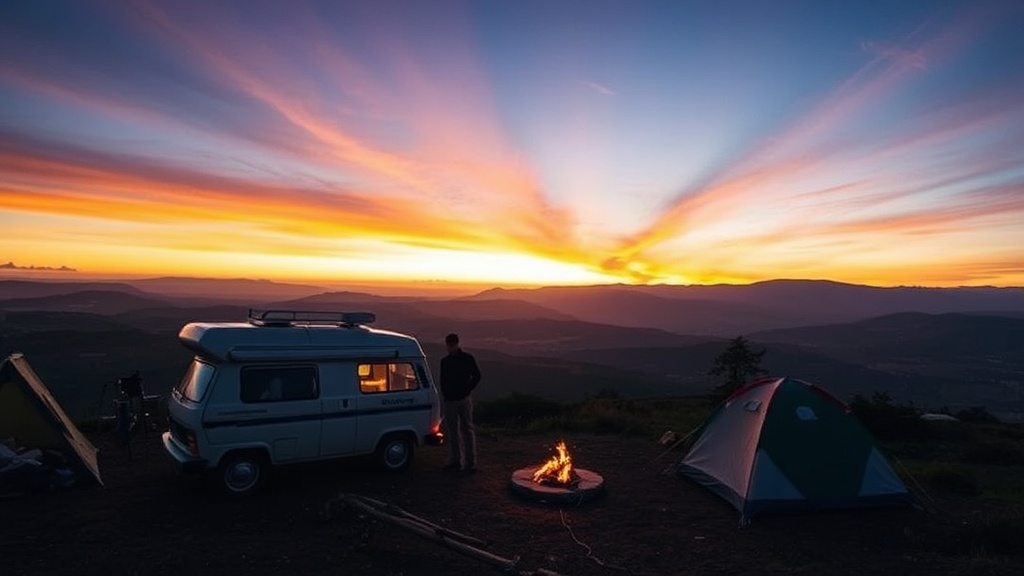
How to Find and Book the Perfect Campsite Every Time

What This Guide Covers (and Why It Matters)
Finding a campsite shouldn't feel like winning the lottery. This guide breaks down the exact steps to locate, evaluate, and book campsites that match your specific needs—whether that's a shaded spot for a July tent trip or an RV pad with full hookups near Yellowstone. You'll learn which reservation systems actually work, when to book for peak season, and how to avoid the common pitfalls that turn a relaxing weekend into a logistical headache. No guesswork. No "hope for the best." Just a reliable system you can use trip after trip.
When Should You Book a Campsite?
The short answer: as early as the reservation window opens. Most popular campgrounds—particularly those in national parks—release sites six months in advance, and the best spots vanish within minutes. Yosemite's Upper Pines, for example, typically sells out for summer weekends within the first hour of availability. That said, booking timelines vary dramatically by location and season.
For national park campgrounds, mark your calendar for the exact release date. Recreation.gov opens reservations at 10 a.m. ET, and you'll want to create an account, save your payment details, and have multiple site numbers ready before the clock strikes ten. State parks vary widely—some open six months out, others just two weeks. California's ReserveCalifornia system releases sites in rolling monthly blocks, which catches many first-timers off guard.
The sweet spot for national forest campgrounds? Often one to two weeks before your trip. These sites frequently aren't reservable online, meaning first-come, first-served rules apply. For shoulder season travel—late September through early May—you'll find more flexibility, sometimes even same-day availability at sought-after locations like Joshua Tree or Arches.
Here's the thing: last-minute camping isn't impossible. Campendium and Recreation.gov both offer cancellation alerts. Set up notifications for your target dates, and you'll occasionally snag a prime spot days before arrival. It's not a strategy—it's a backup plan. But it works more often than you'd think.
Which Campsite Reservation System Should You Use?
It depends entirely on where you're camping. The United States fragments its reservation infrastructure across multiple platforms, and using the wrong one wastes time. For national parks and most national forests, Recreation.gov remains the primary portal. State parks typically run their own systems—ReserveAmerica covers roughly two dozen states, while others (California, Washington, Oregon, Colorado) maintain independent platforms.
County and regional parks often fly under the radar. These smaller campgrounds—think San Mateo County Memorial Park in California or Wisconsin's county forest sites—sometimes offer better availability and lower rates than their state and national counterparts. You'll typically book directly through county websites, not aggregators.
For private campgrounds, the landscape shifts again. KOA (Kampgrounds of America) operates its own reservation system with standardized amenities across locations. Hipcamp and Tentrr function more like Airbnb—private landowners listing campsites ranging from basic field pitches to fully outfitted glamping tents. Harvest Hosts offers a unique model: free overnight parking at wineries, breweries, and farms for members (annual fee: $99), though sites lack hookups and require a same-day purchase from the host business.
| System | Best For | Booking Window | Fees |
|---|---|---|---|
| Recreation.gov | National parks, forests, BLM | 6 months (most sites) | $1-10 per booking |
| ReserveAmerica | State parks (24 states) | Varies by state | $6-8 per reservation |
| ReserveCalifornia | California state parks | Rolling 6-month blocks | $7.99 per booking |
| Hipcamp | Private land, unique spots | Immediate to 6 months | Service fee (10-15%) |
| KOA | RV travelers, families | Up to 1 year | None (membership discounts available) |
What Should You Look for in a Campsite?
The perfect campsite doesn't exist—only the right site for your specific trip. Start with the non-negotiables: Does it accommodate your vehicle length? Are generators allowed (and if so, during which hours)? Is the site reservable, or first-come, first-served?
Map reading separates good campsites from disasters. On Recreation.gov, click the "Site Details" tab and study the photos. Look for level ground—reviews mentioning "sloped" or "uneven" signal rough nights for tent sleepers. Check the satellite view on Google Maps. Sites near bathrooms see more foot traffic (and light) at 2 a.m. Sites facing west absorb brutal afternoon sun in summer. That shaded spot near the river? Worth noting—mosquitoes love it too.
Cell coverage matters more than people admit. Campendium and FreeRoam both include signal reports from recent campers. If working remotely or needing GPS for trail navigation, verify carrier-specific coverage. A Verizon signal doesn't help an AT&T user.
The catch? Photos lie. Campground operators post their best angles. That "lake view" might require binoculars. Read recent reviews on Campendium, The Dyrt, or Google—within the last 12 months if possible. Water sources dry up. Roads deteriorate. Management changes.
Amenity Checklist by Trip Type
For tent camping: Level tent pad, nearby water spigot, bear boxes (in bear country), and reasonable distance from restrooms (close enough for midnight walks, far enough to avoid light and smell).
For RVs: Confirm length restrictions—many older campgrounds max out at 25-30 feet. Verify electric amp service (30 vs. 50), dump station proximity, and whether sewer hookups exist. Propane fills nearby? You'll need them for extended stays.
For families with young kids: playgrounds, paved bike paths, and shallow swimming areas. Avoid sites near busy roads or steep drop-offs. Some campgrounds designate "quiet loops"—great for napping toddlers, less ideal if your kids make noise (they do).
How Do You Actually Book the Site?
Speed wins. For high-demand campgrounds, log into your account five minutes before the release time. Have your site numbers prioritized—first choice, second choice, third choice. The system loads thousands of users simultaneously. Hesitate, and someone else clicks "Book Now."
Payment preparation matters. Save your credit card and billing address in your profile beforehand. Some systems (looking at you, ReserveCalifornia) require full payment immediately. Others hold the site for 15 minutes while you complete checkout. Know your system's rules.
For first-come, first-served sites, arrival time determines everything. Plan to reach the campground before noon—earlier on Friday mornings or holiday weekends. The U.S. Forest Service operates many such campgrounds, and rangers suggest weekday scouting trips if possible. Pay attention to "self-registration" envelopes at the entrance; some sites require exact cash or specific fee envelopes available only at the campground.
That said, don't overlook the phone. Some campgrounds—particularly small private operations or municipal parks—don't list online availability even when they have it. A quick call during business hours often reveals openings that never hit the web. Plus, you'll speak to someone who knows which sites drain in rainstorms or which ones get the best morning sun.
What About Cancellation Policies and Backup Plans?
Life interrupts camping. Kids get sick. Cars break down. Understanding cancellation terms before booking saves money and stress.
Recreation.gov typically offers full refunds minus a $10 cancellation fee if you cancel at least 24-48 hours before arrival (varies by campground). Some high-demand sites—Yosemite Valley, Grand Canyon's North Rim—impose stricter penalties or blackout periods. State park systems vary wildly: Oregon offers full refunds 30 days out, partial thereafter. Washington charges a flat $8 cancellation fee regardless of timing.
Private campgrounds run their own plays. KOA offers refunds with 48 hours notice at most locations. Hipcamp cancellation policies are set by individual hosts—some flexible, some strict. Read the fine print.
Always identify backup options before your trip. Download offline maps (Google Maps, Gaia GPS) showing dispersed camping areas nearby. National Forests and BLM land often allow free camping outside developed campgrounds—technically legal, though lacking amenities. The app iOverlander catalogs free camping spots submitted by travelers, complete with GPS coordinates and recent condition reports.
Can You Book Group Sites or Special Accommodations?
Yes, though the process differs from individual sites. Group campsites—typically accommodating 20-50 people—often require phone reservations even when individual sites book online. Call the campground directly. These sites cost more but include multiple picnic tables, larger fire rings, and sometimes dedicated parking areas.
Accessibility accommodations follow similar patterns. Most reservation systems flag ADA-compliant sites with wheelchair symbols, but specifics matter. Is the bathroom accessible via paved path? Does the site feature a raised fire grate? Call and ask. Campground staff know which "accessible" sites truly work for mobility devices and which ones just meet minimum legal requirements.
Worth noting: some campgrounds restrict group gatherings at individual sites. That reunion with three neighboring families? Check the occupancy limits. Many limit sites to one or two vehicles and six people. Exceeding limits risks eviction without refund—no exceptions.
The best bookings result from preparation plus flexibility. You'll miss sometimes. The perfect site fills before your cursor clicks. The backup has a fallen tree across the pad. Adapt. The campsite five spaces down might offer better shade anyway. The loop you overlooked could have the quietest nights. Book with confidence, arrive with contingency, and camp with the knowledge that planning—detailed, obsessive, spreadsheet-worthy planning—makes the outdoors accessible without the stress.
Steps
- 1
Research Campground Types and Availability Windows
- 2
Set Alerts and Be Ready When Reservations Open
- 3
Have Backup Options and Explore Dispersed Alternatives