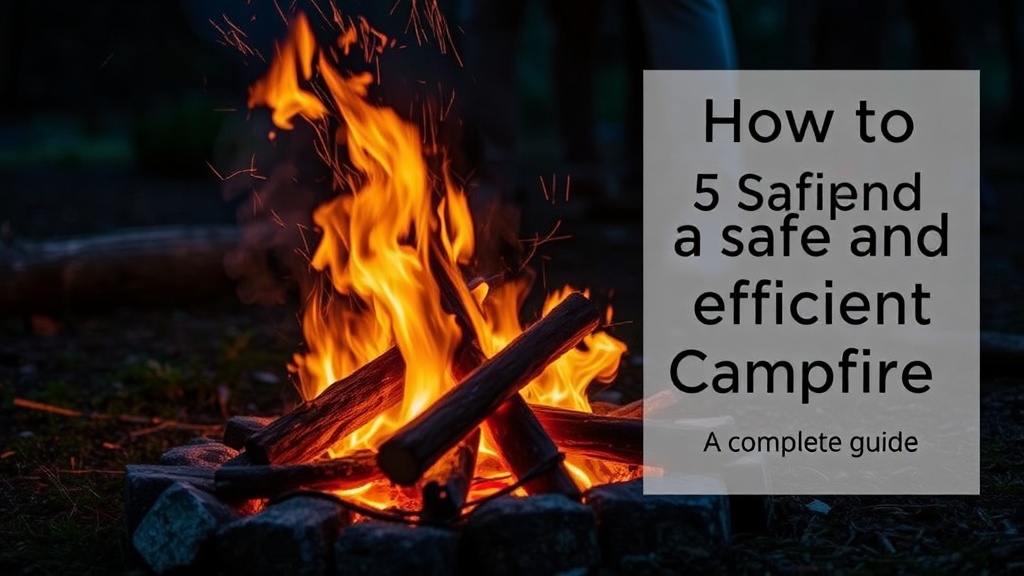
How to Build a Safe and Efficient Campfire: A Complete Guide

This guide covers everything needed to build a campfire that's both safe and efficient—from gathering the right materials to extinguishing it properly. Mastering this skill means warm evenings, perfectly toasted marshmallows, and the peace of mind that comes from knowing the fire won't spread or waste fuel. Whether it's a first camping trip or the hundredth, understanding fire construction transforms outdoor experiences from stressful experiments into reliable, enjoyable rituals.
What supplies do you need to build a campfire?
You'll need three types of fuel: tinder, kindling, and firewood. Tinder catches easily—think dryer lint, birch bark, or commercial options like the UCO Sweetfire Strikeable Fire Starter. Kindling includes small sticks and twigs about the width of a pencil. Firewood should be seasoned hardwood or softwood logs roughly the diameter of an adult's wrist.
Don't forget a reliable ignition source. Waterproof matches work, but a BIC lighter or ferro rod gives more control. Bring a bucket and water source nearby—many campgrounds require this. Some campers swear by fatwood (resin-rich pine) for kindling, while others prefer manufactured fire starters that burn for 5-7 minutes regardless of damp conditions.
Gather more tinder and kindling than seems necessary. Running out halfway through lighting means starting over—and patience wears thin fast when temperatures drop. Here's the thing: a well-prepared fire builder collects three times the tinder they think they'll need. Small twigs burn fast, and establishing a solid bed of coals requires sustained early heat.
What's the safest way to start a campfire?
Always check local fire restrictions first. Many areas ban open fires during dry seasons—the National Park Service maintains current fire ban information. Choose a spot at least 15 feet from tents, trees, and brush. Clear a 10-foot diameter area down to bare soil, removing leaves, pine needles, and anything else that could catch.
Build a fire ring using rocks if one doesn't exist. Never use flammable liquids like gasoline or lighter fluid—pressure from the can causes dangerous flare-ups. Instead, arrange tinder in the center, stack kindling in a teepee or log cabin formation, and light from multiple points. Let the fire establish itself before adding larger logs. That first ten minutes requires attention. The flames need oxygen, so don't smother them with too much wood too quickly.
Wind direction matters more than most people realize. Position the fire so prevailing winds blow smoke away from seating areas (and tents). Worth noting: smoke follows beauty—if someone just showered, expect them to attract it. Keep the fire manageable from the start. A small fire expanded gradually is infinitely safer than a massive blaze tamed after the fact.
Which fire lay design burns most efficiently?
Different designs serve different purposes. The teepee structure lights quickly and produces tall flames—perfect for boiling water on a camping stove. The log cabin (crisscross stacked wood) creates a stable, long-burning fire ideal for cooking over cast iron. The lean-to works well in windy conditions by shielding the initial flame.
| Fire Lay | Best For | Burn Time | Wind Resistance | Fuel Efficiency |
|---|---|---|---|---|
| Teepee | Quick boiling, emergency warmth | 30-45 minutes | Poor | Low—burns fast |
| Log Cabin | Cooking, all-night burns | 2-4 hours | Moderate | High—steady consumption |
| Lean-to | Windy conditions | 1-2 hours | Excellent | Medium |
| Star | Large group gatherings | 3-5 hours | Moderate | Very high—slow burn |
| Platform | Cooking with pots | 1.5-3 hours | Good | High—flat, stable surface |
The log cabin typically offers the best efficiency for family camping. It burns steadily, radiates heat evenly, and collapses predictably when it's time to add more wood. The star fire (logs radiating from a center point like spokes) conserves fuel beautifully—push logs inward as they burn rather than adding new ones constantly.
That said, efficiency isn't just about wood consumption. It's about heat output versus effort. A poorly built fire requires constant tending, interrupting conversations and dinner prep. The catch? Over-building wastes fuel and creates dangerous ember showers. Match the fire size to the group—two people don't need a bonfire.
How do you extinguish a campfire completely?
Pour water until the hissing stops. Stir the ashes with a shovel to expose hidden embers. Add more water. The fire isn't out until you can place your hand on the ashes without feeling heat—this takes longer than most people think. That "cold to the touch" standard protects forests and prevents tragic accidents.
Never bury hot coals with dirt. They can smolder for days and reignite when wind exposes them to oxygen. If water's scarce (backcountry situations), spread the coals thin across bare rock and let them burn out completely before leaving. This takes hours—plan accordingly.
Pack out what you pack in. Aluminum foil from dinner, bottle caps, and other debris often ends up in fire rings. Leave the site cleaner than you found it. The next campers—and the rangers—will notice and appreciate the effort.
What are common campfire mistakes to avoid?
Using unseasoned (green) wood tops the list. Fresh-cut logs contain too much moisture—they smolder, produce excessive smoke, and waste heat trying to evaporate water. Look for wood that feels light for its size and makes a hollow sound when knocked together. Bark should peel easily.
Building fires too close to tents, vehicles, or low-hanging branches creates obvious hazards. Sparks travel farther than expected—especially with softwoods like pine that pop and crackle. The Smokey Bear campaign estimates that nearly 85% of wildfires are human-caused, with unattended campfires leading the preventable causes.
Overloading the fire with large logs too early kills airflow. Fire needs oxygen—stacking logs like a solid wall suffocates flames. Start small, establish a coal bed, then gradually increase log size. Think of it as building a foundation before adding walls.
Leaving fires "for just a minute" while grabbing supplies or checking on kids—this is when accidents happen. Wind shifts, sparks escape, or logs roll. Designate a fire watcher if the group needs to step away. The responsibility rotates, but someone always has eyes on the flames.
What gear makes campfire management easier?
A collapsible fire grate (like those from Camp Chef) elevates cookware for better temperature control and reduces scorching. Long-handled tongs and a poker keep hands away from heat—those $5 barbecue tongs from Walmart work perfectly. Leather gloves (welders' gloves from hardware stores) handle hot logs and adjust burning wood safely.
Consider a portable fire pit for areas without established rings. The Solo Stove Ranger or similar smokeless designs work well for car camping, though they're overkill for backpacking. These contained systems reduce environmental impact and make cleanup simpler.
Firewood quality varies dramatically by region. In the Pacific Northwest, Douglas fir and alder burn clean. The Southeast offers excellent oak and hickory. Wherever you camp, buy firewood locally—transporting wood spreads invasive insects like emerald ash borer and spongy moth. Many campgrounds sell approved firewood near the entrance.
Keep fires manageable—bigger isn't better. A fire wider than three feet becomes hard to control and wastes wood. Someone should always watch the flames, even during quick trips to the cooler. Store extra firewood upwind so sparks don't ignite the pile. Synthetic clothing melts quickly—cotton and wool handle sparks better around the fire ring. Worth noting: that favorite polyester fleece might be cozy, but embers burn holes faster than you can react.
Steps
- 1
Choose a safe location and prepare your fire pit
- 2
Gather and arrange tinder, kindling, and firewood
- 3
Light the fire, maintain it safely, and extinguish completely