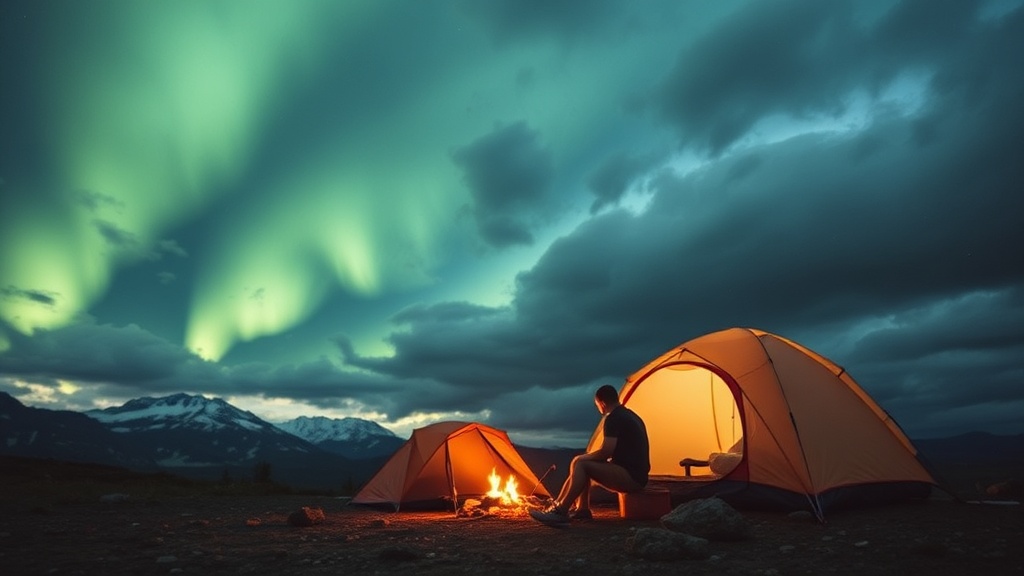
How to Build a Camping Trip Contingency Plan When Weather Ruins Everything

What Should You Do When the Forecast Shifts Right Before You Leave?
You've spent weeks planning the perfect family camping weekend. The gear is packed, the meals are prepped, the kids are counting down the days—and then the forecast shifts. Rain. High winds. Maybe even a thunderstorm warning that has you wondering if you should cancel altogether. What now? Most families either forge ahead blindly or scrap the entire trip, missing out on memories because they didn't have a backup plan. The truth is, weather disruptions are inevitable when you're camping with kids. What separates stressful, soggy disasters from adaptable adventures is having a systematic contingency plan—one that doesn't require reinventing your entire itinerary at the last minute. Here's how to build a weather-resilient camping strategy that keeps your family outdoors (or indoors nearby) without the panic.
How Do You Create Flexible Daily Itineraries?
My old project manager brain loves a Gantt chart, but camping with kids taught me something: rigid schedules break under pressure. Instead of planning hour-by-hour activities, I build what I call "parallel tracks"—two versions of each day that share the same basic structure but flex based on conditions.
Here's how it works. For Saturday, I might have a "sunny track" that includes hiking, swimming at the lake, and dinner cooked over the fire. The "rainy track" for the same day swaps hiking for a nature center visit, swimming for hotel pool time (if we're near civilization), and fire-cooked dinner for a prepared meal we heat on the camp stove under a tarp. Both tracks hit the same beats—physical activity, water play, family dinner—but the execution changes.
The magic happens in the preparation phase. I research indoor and covered alternatives within a 30-minute radius of every campsite before we leave. Nature centers, visitor centers, small-town libraries with children's sections, covered pavilions at state parks, even quirky roadside attractions—they all go into my spreadsheet. That way, when the weather app shows a 70% chance of rain at 2 PM, I'm not frantically googling "things to do near me" while the kids get restless in the tent.
What Gear Do You Need for Weather Flexibility?
There's a difference between "weatherproof" gear and "weather-adaptable" gear—and it's worth understanding before you invest. Weatherproof gear keeps moisture out (think fully seam-sealed rain jackets), while adaptable gear lets you adjust to changing conditions without unpacking your entire vehicle.
My contingency kit lives in a single bin that never gets buried. Inside: a pop-up canopy with sidewalls (creates covered living space in minutes), a pack of disposable ponchos (backup for the backups), a battery-powered fan for muggy post-rain humidity, and microfiber towels—so many microfiber towels. I also keep a "go bag" ready with dry clothes for each family member, sealed in compression sacks. When someone gets soaked, there's no digging through duffels.
The campsite setup itself becomes part of your weather strategy. I always identify the high ground (for tent placement if rain hits) and the drainage patterns before pitching anything. A tarp rigged as a "kitchen shelter" over the picnic table means cooking can happen even in light rain. And here's something I learned the hard way: stake down your canopy before you need it. Wrestling with poles in rising wind is not a fun family activity.
For sleeping arrangements, consider how your gear handles temperature swings. That sunny forecast might drop twenty degrees after a storm passes. I pack one sleeping bag rated lower than expected, plus fleece blankets that layer easily. The kids sleep in synthetic base layers that work as pajamas and emergency warmth layers.
How Do You Keep Kids Engaged When Outdoor Plans Fail?
This is where Target training actually helps—it's all about managing expectations and having alternatives ready. Kids handle weather disruptions better when they know there's a Plan B that's also fun, not just a consolation prize.
I pack what I call "weather emergency kits"—small bags tucked into the vehicle with activities designed for specific scenarios. The "rainy day kit" includes card games, a compact craft project, and a laminated scavenger hunt list for covered pavilions or nature centers. The "too hot kit" has spray bottles, cooling towels, and water games that work in shade. The "bug swarm kit" (yes, this happens) includes head nets, bug spray, and indoor-friendly activities.
The key is presenting these as adventures, not compromises. "We're going to become nature center experts today" hits different than "We can't hike so I guess we'll sit in the car." I also involve the kids in the contingency planning before we leave—showing them the spreadsheet, letting them pick one indoor activity from each location's options. Ownership reduces disappointment.
For meal times, which can become the hardest part of weather disruptions, I have what I call "rainy day menus" pre-planned. These aren't sad sandwiches—they're meals that work without a fire but still feel special. Foil-packet meals cooked on a camp stove, gourmet hot chocolate with all the toppings, breakfast-for-dinner with pancakes on a griddle under the canopy. The food becomes part of the adventure narrative.
When Should You Actually Cancel or Relocate?
Not every weather situation is manageable, and knowing your family's limits is part of good planning. Lightning within ten miles means immediate shelter—not in the tent, but in a building or hard-topped vehicle. Flash flood warnings require moving to higher ground immediately. High wind warnings that forecast gusts over 40 mph mean it's time to pack up the canopy and consider whether sleeping in a fabric structure is wise.
I set decision triggers before we leave home. If the forecast shows a 60% or higher chance of thunderstorms during our core activity hours, we activate Plan B (usually a hotel night or indoor attraction day built into the itinerary). If temperatures are projected to drop below what our gear handles comfortably, we add a cabin rental to the mix. These aren't failures—they're intentional flexibility built into the project plan.
Having a "bailout budget" helps too. I allocate 15-20% of our trip budget for weather-related changes—a cabin instead of tent camping, an indoor water park instead of lake swimming, a restaurant meal instead of campfire cooking. When the money is already earmarked for contingencies, spending it doesn't feel like going over budget. It feels like executing the plan.
How Do You Build This Into Your Pre-Trip Workflow?
The contingency plan shouldn't be an afterthought you create when you see rain clouds gathering. Build it into your normal trip planning rhythm—just another column in the spreadsheet (yes, I still use spreadsheets, and yes, they work).
Two weeks before departure, I research historical weather patterns for our destination and date range. Not just the forecast—the patterns. Mountain regions have afternoon thunderstorms like clockwork in summer. Coastal areas get foggy mornings that clear by noon. Understanding the rhythm of local weather helps you build realistic parallel tracks instead of just reacting to the 10-day forecast.
One week out, I finalize my indoor alternatives list and save offline maps for each location—cell service is often spotty when you need it most. Three days out, I check gear for weather adaptability: Do the tent rainflys still seal? Are the canopy stakes all present? Do we have enough batteries for the fan and lights if we're tent-bound?
The night before we leave, I brief the family on the contingency plan—not as a warning, but as part of the adventure. "If it rains Saturday, we're going to that dinosaur museum you saw online." The kids go to bed excited about both possibilities. And honestly? Some of our best camping memories happened during the "rainy track" days. There's something magical about being cozy in a tent while rain patters overhead, playing cards by lantern light, knowing you've got this handled.
Weather disruptions don't have to derail your family camping trips. With parallel itineraries, adaptable gear, engaging indoor alternatives, and clear decision triggers, you can turn forecast anxiety into confident flexibility. The outdoors will still be there when the rain passes—and your family will have stories to tell about how you adapted together.
Frequently Asked Questions
How far in advance should I start checking the weather forecast?
I start watching trends two weeks out for pattern awareness, but I don't make decisions based on forecasts until 3-5 days before departure—anything earlier is too unreliable. Focus your early planning on understanding typical regional weather rather than specific predictions.
What's the most important piece of weather-contingency gear?
A quality pop-up canopy with sidewalls. It transforms your campsite into usable living space during light rain, creates shade during intense sun, and provides a covered cooking area. Practice setting it up at home first—speed matters when weather changes quickly.
How do you handle severe weather warnings while camping?
Know the difference between watches and warnings. A watch means conditions are possible—monitor and prepare. A warning means conditions are occurring or imminent—seek shelter immediately in a building or hard-topped vehicle, never in your tent. Have a weather radio or reliable app with location-based alerts enabled.
Should I tell my kids about backup plans before the trip?
Absolutely. Involving children in contingency planning reduces anxiety and builds excitement for all possibilities. Present alternatives as equally fun options rather than second choices. Kids handle change better when they know what to expect and have some input in the alternatives.