Finding Free Dispersed Camping on Public Lands: A Complete Guide

What is dispersed camping and where can you do it?
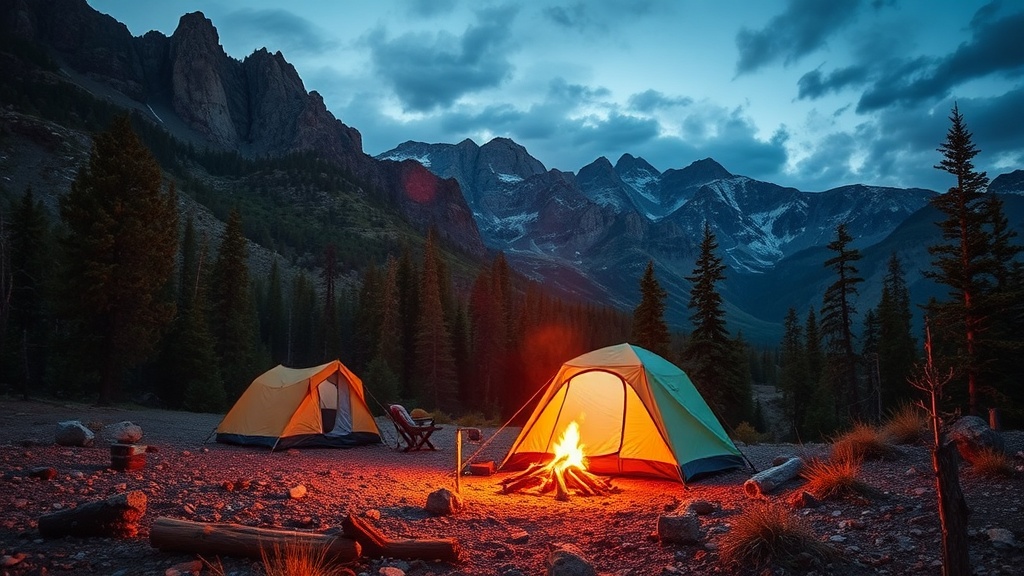
Dispersed camping means setting up camp outside of designated campgrounds on public lands—no reservations, no fees, no amenities. You pitch your tent (or park your rig) wherever you find a suitable spot, following the land management agency's rules. This style of camping opens up millions of acres across the United States to overnight stays, often in places where you'll see more elk than people.
The federal government manages several types of public land where dispersed camping is generally permitted. Bureau of Land Management (BLM) territories—mostly in the western states—offer the most flexible options. National Forests, overseen by the U.S. Forest Service, allow dispersed camping in most areas unless specifically prohibited. National Grasslands follow similar rules. National Parks are trickier—most restrict camping to designated sites, though some permit backcountry camping with permits.
Worth noting: state lands vary wildly. Some states (Montana, Idaho) offer excellent dispersed camping on state trust lands with inexpensive permits. Others prohibit it entirely. Always check local regulations before counting on a free spot.
How do you find legal dispersed camping spots?
You start with motor vehicle use maps (MVUMs) and land management websites—these show exactly where vehicles can legally travel and camp. For Forest Service land, the MVUM marks dispersed camping areas with small dots along approved roads. For BLM land, you're generally free to camp anywhere unless there's a "No Camping" sign, though some areas require staying within a quarter-mile of established roads.
Digital tools make the search easier. FreeRoam and Campendium offer user-submitted dispersed camping locations with GPS coordinates and photos. The Gaia GPS app overlays public land boundaries so you know precisely when you've crossed from private property onto federal turf. That said, don't trust apps blindly—verify locations against official maps. Rangers write tickets for camping in closed areas.
Satellite imagery (Google Earth, OnX Offroad) reveals flat pullouts, established fire rings, and clearings where others have camped before. Look for:
- Flat, level ground away from water sources
- Existing fire rings or cleared areas (signs others camped there legally)
- Roads marked as "open" on MVUMs
- Areas without "No Camping" or "Day Use Only" signage
The catch? Popular spots near national parks or major cities fill fast. Arrive Thursday evening—or scout in late fall when snow chases away the crowds.
What gear do you need for dispersed camping?
Dispersed camping demands self-sufficiency. No water spigots. No trash cans. No camp hosts with firewood for sale. You pack everything in—and pack everything out.
Water is your biggest concern. Most dispersed sites lack potable water, so you'll need filtration. The Sawyer Squeeze ($37) screws onto standard water bottles and filters 99.99% of bacteria and protozoa. For groups, the Platypus GravityWorks system ($120) filters four liters without pumping. Always identify water sources before you go—check USGS stream gauge data or call the local ranger station to confirm seasonal flow.
| Category | Must-Have Items | Recommended Products |
|---|---|---|
| Shelter | Tent or tarp, ground cloth, stakes | REI Co-op Half Dome SL 2+ ($299), Hilleberg Nallo 2 ($735) |
| Sleep | Sleeping bag rated for conditions, insulated pad | Nemo Disco 15 ($300), Therm-a-Rest NeoAir XTherm ($185) |
| Water | Filtration/purification, storage containers | Sawyer Squeeze ($37), MSR Dromedary Bags ($45-$55) |
| Waste | Trowel, toilet paper pack-out bag | Sea to Summit Pocket Trowel ($17), WAG bags ($4 each) |
| Navigation | Physical maps, GPS, satellite communicator | NatGeo Trails Illustrated, Garmin inReach Mini 2 ($400) |
| Power | Solar panel or power bank | Goal Zero Nomad 10 ($100), Anker PowerCore 26800 ($70) |
Here's the thing about toilets: you'll dig catholes—6-8 inches deep, at least 200 feet from water, trails, and camp. Pack out toilet paper (really) or burn it completely. In high-use areas or fragile alpine environments, WAG bags (Waste Alleviation and Gelling) are required—essentially military-grade diaper technology for human waste. Unpleasant? Sure. But nobody wants to find used TP blooming behind a juniper tree.
Power management matters when you're days from an outlet. The Jackery Explorer 240 ($200) recharges phones, lanterns, and CPAP machines. Pair it with a Goal Zero Nomad 10 solar panel and you'll stay charged through a long weekend. For extended trips, the Goal Zero Yeti 500X ($700) runs a 12V fridge and induction cooktop.
What are the rules and etiquette for dispersed camping?
The rules aren't suggestions—they're what keeps these areas open. Violate them consistently and land managers close dispersed camping zones, converting them to permit-only or day-use areas. You've seen it happen (Arches National Park, anyone?).
The 14-day limit applies nearly everywhere. On BLM and Forest Service land, you can camp up to 14 days in any 28-day period within a 25-mile radius. After that, you must relocate. Rangers do check—I've seen them recording license plates in popular Arizona desert spots.
Distance requirements protect water quality and wildlife habitat. Camp at least 200 feet from lakes, streams, and springs. This isn't arbitrary—your soap, sunscreen, and waste contaminate ecosystems. In bear country, that distance increases to 100 yards from water and 200 yards from trails (check local regulations for food storage orders).
Fire restrictions dominate western summers. Before striking a match, verify current fire bans on InciWeb or the local fire department's website. When fires are permitted, use existing fire rings—don't build new ones. Collect only downed wood (nothing larger than your wrist). In desert environments where wood is scarce, bring a propane fire pit like the Outland Firebowl ($130) for legal flames.
Pack out everything. Everything. That includes fruit peels (they don't biodegrade quickly in arid climates), coffee grounds, and microtrash. Leave the site cleaner than you found it—pick up the shotgun shells and Mylar balloons that previous visitors scattered.
How do you stay safe while dispersed camping?
Safety starts before you leave pavement. File a detailed itinerary with someone reliable—exact coordinates, expected return time, and backup plans. Cell service is a fantasy in most dispersed camping areas. The Garmin inReach Mini 2 ($400 plus subscription) sends SOS signals via satellite and allows two-way texting. For budget-conscious travelers, a SPOT Gen4 ($150) offers basic SOS and check-in functionality.
Weather in remote areas turns violent fast. Flash floods transform dry washes into death traps—never camp in a dry creek bed, even if it looks like the perfect flat spot. Afternoon thunderstorms in the Rockies and Southwest produce lightning with little warning. The Weather Radio app or a NOAA Weather Radio ($30) alerts you to severe weather when cell towers can't.
Wildlife encounters require preparation—not paranoia. In grizzly country (Montana, Wyoming, Idaho, Alaska), carry bear spray (Counter Assault or UDAP brands, $50) and know how to use it. Store food in BearVault canisters ($80) or hang it properly—10 feet up, 4 feet from the trunk. In rodent-heavy areas, the Ursack Major ($100) stops chewers better than hanging.
Vehicle reliability matters when you're 40 miles from cell service. Carry two spare tires (seriously), a satellite phone or communicator, extra water (one gallon per person per day), and a comprehensive tool kit. The Maxtrax MKII ($300) recovery boards extract stuck vehicles from sand or mud without needing a tow.
Medical emergencies demand improvisation. A Wilderness First Aid course (NOLS or REI offers them) teaches you to stabilize injuries when evacuation takes hours or days. Your first aid kit should include a SAM Splint ($15), QuikClot gauze ($20), and prescription medications for a week longer than planned.
That said, the risks are manageable. Millions camp safely on public lands annually. The reward—silence, stars, solitude—justifies the preparation. Start with an overnight near a paved road. Work up to multi-day expeditions. Keep that spreadsheet updated with gear checklists and site coordinates. The backcountry will still be there, waiting, when you're ready.