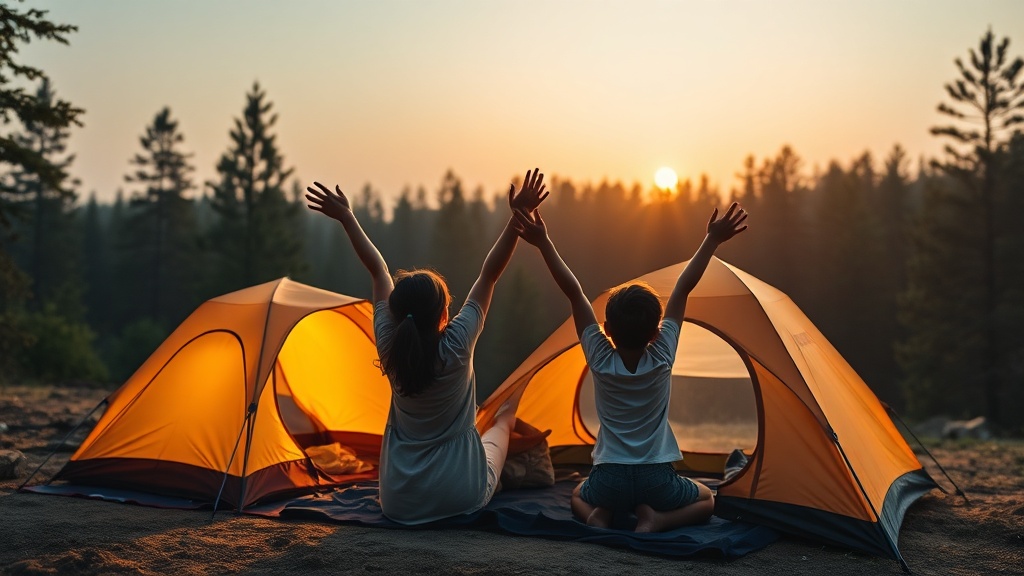
Embracing Bio‑Harmony: How to Sync Your Family Life with Your Circadian Rhythm

Embracing Bio‑Harmony: How to Sync Your Family Life with Your Circadian Rhythm
Hook: Ever feel like you’re racing the sunrise, only to crash by dinner? You’re not alone. Our bodies run on a 24‑hour internal clock, and when we ignore it, the whole family pays the price.
Context: As spring unfurls, daylight stretches longer and our kids’ energy spikes. That natural shift is a perfect reminder to tweak our habits so they line up with our biology – what I call bio‑harmony. Below I break down the science and hand you a checklist that fits right into my spreadsheet‑obsessed planning style.
What Is a Circadian Rhythm and Why Does It Matter?
Your circadian rhythm is the body’s master schedule, governing sleep, hormone release, metabolism, and even mood. It’s driven by light cues that tell your brain when it’s time to be awake or asleep. When you’re out of sync, you’ll notice:
- Morning grogginess despite a full night’s sleep
- Afternoon energy crashes that make kids cranky
- Difficulty falling asleep even when you’re exhausted
Research from the National Institutes of Health (NIH) shows that chronic misalignment can increase risks for obesity, diabetes, and mood disorders. Aligning daily habits with that rhythm isn’t a wellness fad – it’s a health‑protective strategy.
How Can I Spot My Family’s Current Rhythm?
- Log Sleep & Wake Times for a Week – Use a simple Google Sheet (or any spreadsheet) to record when each family member falls asleep, wakes, and feels most alert.
- Identify the “Peak” Hours – Look for the 2‑3 hour block where energy is highest. For my kids, it’s usually 10 am‑12 pm.
- Note Light Exposure – Sunlight in the morning and dim lighting after sunset are key cues.
Once you have that data, you’ll see patterns. If your kids are consistently yawning by 2 pm, their rhythm likely peaks earlier than yours – a cue to adjust activities.
Which Daily Habits Should I Adjust First?
1. When Should I Let Natural Light In?
Morning: Open curtains as soon as the sun rises (around 6 am in spring). Let the kids soak up 30‑45 minutes of bright light. It resets the internal clock and boosts mood.
Evening: Dim lights after sunset. Swap phone screens for warm‑toned lamps. The Sleep Foundation recommends limiting blue‑light exposure at least an hour before bed.
2. How Do I Structure Meals Around My Clock?
- Breakfast: Aim for a protein‑rich start (eggs, Greek yogurt) within an hour of waking. It signals the body to start metabolizing.
- Lunch: Keep it balanced, but avoid heavy carbs after the mid‑day peak; they can cause a slump.
- Dinner: Finish eating at least 3 hours before bedtime. A light, veggie‑forward meal helps the body wind down.
3. What About Exercise Timing?
Morning or early‑afternoon workouts sync best with the natural cortisol surge that helps you feel energized. Evening cardio can raise body temperature and delay sleep, so keep it light (stretching, yoga) after 7 pm.
4. How Can I Use Technology Wisely?
- Set “Do‑Not‑Disturb” Hours on phones and tablets from 9 pm‑7 am.
- Use “Night Shift” or “Blue Light Filter” after sunset.
- Schedule Family Screen‑Time in the high‑energy window (10 am‑2 pm) when kids can focus better.
What Simple Checklist Can I Use Tonight?
| Time | Action | Why |
|---|---|---|
| 6:00 am | Open curtains, let sunlight in | Resets circadian clock |
| 6:30 am | Family breakfast (protein + fruit) | Jump‑starts metabolism |
| 9:00 am | Outdoor activity (walk, bike) | Leverages peak alertness |
| 12:00 pm | Light lunch, hydrate | Prevents afternoon dip |
| 2:00 pm | Quiet play or reading | Uses remaining energy wisely |
| 5:00 pm | Light dinner, no heavy carbs | Prepares body for sleep |
| 7:00 pm | Dim lights, turn off screens | Signals bedtime preparation |
| 8:30 pm | Bedtime routine (story, stretch) | Consistent cue for sleep |
Feel free to copy this into your own spreadsheet and tweak the times to fit your local sunrise.
How Does Bio‑Harmony Fit Into Our Camping Lifestyle?
Camping already forces a natural rhythm: sunrise, fire‑light evenings, and limited electricity. Here’s how to double‑down on bio‑harmony on the trail:
- Wake with the Sun: No alarm needed; let the morning light cue you.
- Meal Prep Around Light: Cook breakfast over the camp stove soon after sunrise; dinner by the fire after dusk.
- Evening Wind‑Down: Replace phone scrolling with stargazing – the darkness reinforces melatonin production.
I’ve used this approach on a recent trip to Cuyahoga Valley. Our kids woke up refreshed, we tackled the day’s hike before the heat, and bedtime was smooth despite the lack of a “normal” bedroom.
Takeaway: Small Tweaks, Big Gains
Bio‑harmony isn’t about overhauling your life; it’s about micro‑alignments that add up. Start with the light‑exposure checklist, adjust meals, and watch the family’s mood lift. As spring progresses, you’ll notice more energy, better sleep, and fewer cranky moments – all without adding extra tasks to your already‑busy planner.
Ready to give it a try? Grab the Bio‑Harmony Family Planner (link below) and start syncing your day to the rhythm that’s been running inside you all along.
Related Reading
- Why State Parks Are the Secret to Stress‑Free Family Camping – Learn how natural settings boost circadian health.
- Spring Camping Trip Ideas: 3 State Parks You Can Actually Book Right Now – Pair your new routine with a sunrise hike.
- The 48‑Hour Spring Break Camping Trip: Your Complete Plan for a Last‑Minute Family Escape – Quick‑turnaround trips that fit a bio‑harmonious schedule.
<meta.faqs>
[
{"question": "What is the ideal time to get morning sunlight for circadian health?", "answer": "Aim for 30‑45 minutes of bright natural light within the first hour after waking, ideally before 8 am in spring."},
{"question": "Can I still use a phone after dinner and stay in sync with my rhythm?", "answer": "Yes, but switch to a blue‑light filter or night mode and keep screen time under 30 minutes after 7 pm."},
{"question": "How many hours before bed should I finish eating?", "answer": "Finish your last meal at least three hours before you plan to sleep to allow digestion and melatonin production."},
{"question": "Is exercise okay right before bedtime?", "answer": "Intense workouts raise body temperature and can delay sleep; keep evening activity light, like stretching or a gentle walk."}
]
</meta.faqs>