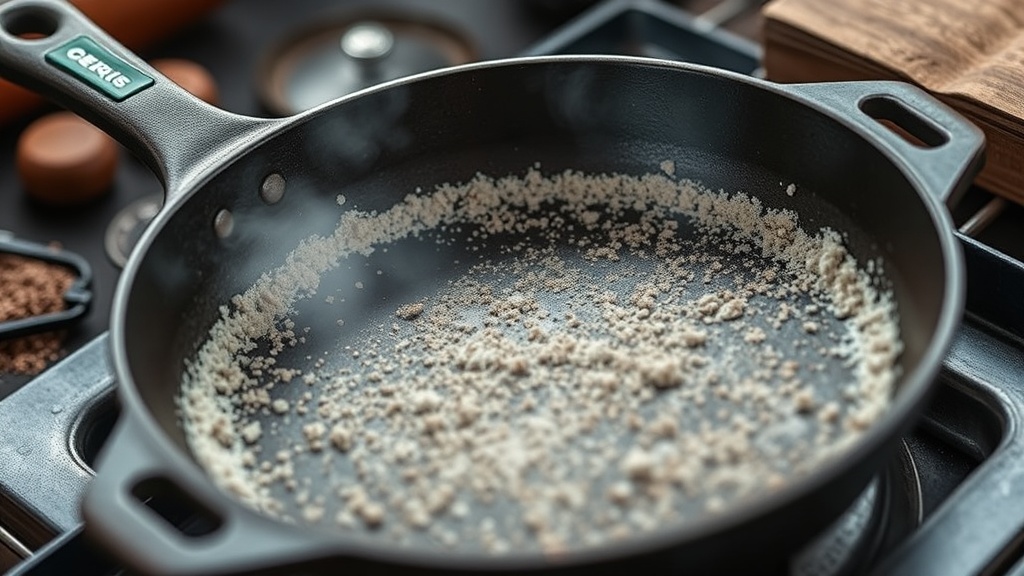
Cast Iron Maintenance: Keeping Your Skillet Seasoned Through High-Altitude Trips

Have you ever pulled a cast iron skillet from your camping bin only to find a patch of orange rust staring back at you? It is a frustrating realization, especially when you are setting up camp at a high-altitude destination like Breckenridge or Glacier National Park, where the air is thin and the weather can shift in minutes. Maintaining a non-stick, seasoned surface is not just about aesthetics; it is about ensuring your campfire meals—whether it is a thick ribeye or a simple stack of sourdough pancakes—do not end up stuck to the bottom of your pan. High-altitude environments present unique challenges for cast iron, specifically regarding moisture retention and rapid temperature fluctuations, which can compromise your seasoning if you aren't prepared.
The Science of Seasoning at High Altitudes
Seasoning is not a coating of grease; it is a layer of polymerized oil. Polymerization occurs when oils are heated to their smoke point, causing the molecular structure to change and bond to the iron surface. At higher elevations, the boiling point of water decreases. For example, at 10,000 feet in the Rocky Mountains, water boils at approximately 180°F rather than 212°F. This lower temperature affects how much steam is generated during cooking, which can influence how much moisture stays trapped near the surface of your skillet. If you are not careful with your heat management, the reduced atmospheric pressure can lead to faster evaporation, potentially drying out your seasoning faster than you would at sea level.
When you are cooking in the mountains, you must account for the fact that your heat source—often a portable propane stove like a Coleman Triton or a controlled campfire—will behave differently. Because the air is thinner, combustion can be less consistent. This inconsistency can lead to "hot spots" that may burn your oil prematurely, turning a healthy black patina into a flaky, burnt mess. To prevent this, aim for a steady, medium heat and avoid the temptation to crank the flame to maximum just because the air feels chilly.
Essential Gear for Cast Iron Maintenance
Before you head out on your next mountain excursion, ensure your kit includes these specific maintenance tools. Being organized is the difference between a successful meal and a cleaning nightmare in the middle of the woods.
- High-Smoke Point Oils: Avoid butter or extra virgin olive oil for the actual seasoning process. Instead, pack a small bottle of Grapeseed Oil or Avocado Oil. These have much higher smoke points, which are crucial when dealing with the inconsistent heat of a camp stove.
- Scrubbing Tools: A chainmail scrubber is much more effective for removing stuck-on bits than a standard sponge without stripping the seasoning. For lighter cleaning, a coarse sea salt and a bit of water can act as a natural abrasive.
- Lint-Free Cloths: When applying a new layer of oil, use a clean, lint-free cotton cloth or a dedicated paper towel. You want to apply the thinnest layer possible; a thick layer of oil will lead to a sticky, tacky surface rather than a hard, non-stick one.
- Storage Container: A hard-sided plastic bin or a dedicated cast iron cover is essential. You do not want your skillet sitting exposed to the damp mountain air or morning dew inside your vehicle.
The Step-by-Step High-Altitude Maintenance Routine
Maintaining your skillet requires a disciplined approach, much like following a strict itinerary. I recommend a three-phase approach: Pre-Trip Prep, On-Site Care, and Post-Trip Recovery.
Phase 1: Pre-Trip Seasoning Boost
Do not wait until you are at the campsite to realize your seasoning is thin. A week before your trip, perform a "deep seasoning" at home. Heat your skillet (such as a Lodge 12-inch skillet) in your kitchen oven at 450°F with a thin layer of flaxseed oil or grapeseed oil. This ensures the iron is fully polymerized and ready to withstand the rigors of outdoor cooking. A well-seasoned pan is your first line of defense against the moisture levels found in high-altitude environments.
Phase 2: On-Site Cleaning and Moisture Control
The biggest mistake most campers make is leaving their cast iron to "air dry" in the open air. In mountain ranges like the Sierras, the humidity can spike unexpectedly during the night. If you wash your pan after dinner, follow these exact steps:
- Scrub: While the pan is still slightly warm, use a chainmail scrubber and hot water to remove food particles. If you are using a camp stove, use the heated water from your kettle to ensure you are effectively breaking down oils.
- Dry Immediately: Never let the pan sit in a drying rack or on a camp table. Use a clean kitchen towel to wipe away all visible moisture.
- The Heat Method: This is the most critical step for high-altitude camping. Place your wiped-dry skillet back onto your camp stove or over your controlled fire for 2-3 minutes. This ensures that any microscopic moisture trapped in the pores of the iron is completely evaporated.
- Oil Wipe: While the pan is still hot from the stove, apply a tiny drop of oil. Use a paper towel to spread it until the pan looks matte, not shiny. You want a microscopic layer, not a puddle.
If you are worried about your gear's longevity during the trip, remember that moisture management is a theme throughout all types of camping gear. For instance, just as you would focus on preventing morning dew from ruining your sleeping bag, you must treat your cast iron with the same level of protection against the elements.
Common Pitfalls to Avoid in the Wild
Even seasoned campers fall into certain traps when the altitude rises and the fatigue sets in. Being proactive about these errors will save your skillet from a trip to the scrap heap.
The "Soak and Forget" Error
Never, under any circumstances, leave your cast iron soaking in a sink or a tub of water at the campsite. In a high-altitude environment, the lack of heat can make water evaporation slower in certain microclimates, and a soaked pan is a rusted pan. If you have a particularly stubborn bit of burnt protein, use a wooden spatula to scrape it while the pan is still hot, rather than relying on a long soak.
Over-Oiling in the Field
It is tempting to pour a generous amount of oil into the pan to ensure nothing sticks, especially if you are cooking something delicate like salmon. However, excessive oil leads to a "gummy" texture. This happens because the oil cannot polymerize effectively under the heat of a camp stove, leaving a layer of liquid grease that can actually attract dirt and debris from your cooking environment.
Neglecting the Lid
If your skillet has a lid, use it. A lid helps retain heat, which is vital when the ambient temperature drops. More importantly, a lid acts as a physical barrier against falling ash from a campfire or dust from the trail. If you are cooking near a fire pit, always keep your gear covered when not actively in use.
The Long-Term Storage Strategy
Once you return from your trip and unpack your gear, the work is not done. Your cast iron needs a final "re-set" before it goes back into your kitchen pantry. I recommend a full deep clean and a fresh layer of seasoning once a year, or immediately following a trip where the weather was particularly damp or harsh.
Check your storage area at home as well. If you store your camping gear in a garage or a basement, ensure your cast iron is stored in a dry, temperature-controlled environment. A small piece of paper towel tucked inside the skillet can help absorb any residual moisture that might accumulate in your storage bin. This level of detail ensures that when you pull your gear out for your next adventure—perhaps a trip to the high deserts of Utah—your skillet is in peak condition and ready for action.
By treating your cast iron with the same precision you use to plan your route and your packing list, you turn a simple piece of metal into a reliable tool that will serve your family for decades. Happy camping, and may your seasoning always be black and your food never stick.