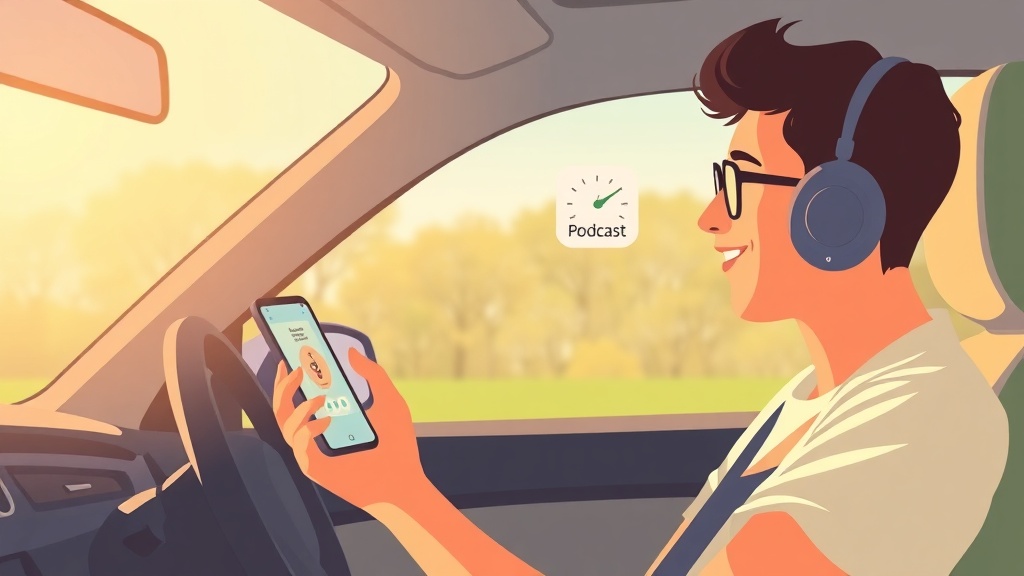
Brain‑Boosting Podcasts for Spring Commutes (Daylight Saving Tips)

Why does daylight saving mess with my focus?
When the clocks spring forward, my kids and I lose an hour of sleep, and that grogginess follows us into the car. I’ve felt the brain fog on the highway, the same way I felt when a new tent set‑up went wrong – everything feels out of sync. Research shows even a single hour shift can dip alertness by up to 10‑15% (Sleep Foundation, 2026). That’s why I’m turning to a simple, portable fix: podcasts that train the brain while we commute.
Can listening to podcasts really sharpen my mind?
Auditory learning isn’t just background noise. A Healthline review (2025) explains that focused listening activates the prefrontal cortex, the part of the brain responsible for attention and decision‑making. When you pair that with content that’s scientifically grounded, you get a double‑dose of neuro‑boost.
Which podcasts should I queue up for my spring commute?
- Health Shots (NPR) – Short, 10‑minute episodes that break down the latest neuroscience. The episode “Neuro‑hacks for Better Focus” (released Feb 2026) gives actionable tips that fit right into a 30‑minute drive.
- TED Talks Health – Curated talks from leading researchers. Look for the “Brain‑Boosting Habits” series, which includes a segment on auditory learning.
- The Brain Coach Podcast – Hosted by Dr. Maya Patel, a neuroscientist who recently collaborated with an NFL neurosurgeon on a study about concussion recovery and cognitive resilience. The March 2026 episode “From the Field to the Office: Maintaining Mental Clarity” ties directly into our daylight‑saving theme.
- Mindful Minutes – Combines guided meditation with short science snippets. The “Spring Reset” playlist is timed to the 20‑minute average commute.
- BBC Science Focus Podcast – Offers deep dives into brain health. The “Sleep, Light, and the Brain” episode (Jan 2026) explains how daylight‑saving impacts circadian rhythms – perfect for understanding the why behind the grogginess.
How should I integrate these podcasts into my routine?
Here’s a quick‑hit checklist I use on family road trips (yes, even with two toddlers in the back):
- Pick a theme. For the first week after the time change, focus on "focus and alertness" podcasts.
- Set a timer. Use the car’s Bluetooth timer to cue a 10‑minute episode, then switch to a 5‑minute mindfulness break.
- Take notes. I keep a small notebook on the passenger seat to jot down one actionable tip per episode – it turns a passive listen into a habit builder.
- Family involvement. Let the kids pick a kid‑friendly episode from "Mindful Minutes" – it helps them adjust their own sleep schedule.
- Review on arrival. Spend five minutes discussing a key takeaway while you set up camp or unpack the car.
What about other resources I’ve already read?
If you loved the DIY Home Office Ergonomics guide, you’ll appreciate the same checklist mindset applied to audio learning. And for those interested in syncing biology with daily life, my Circadian Rhythm Optimization piece dives deeper into light exposure – a perfect companion to the podcasts above.
Takeaway: Turn the clock change into a brain‑boosting habit
Daylight saving doesn’t have to be a productivity killer. By loading your car with science‑backed podcasts and following a simple listening checklist, you can transform the springtime hour loss into an opportunity to sharpen focus for the whole family. Give it a try on your next commute – and let me know which episode gave you the biggest "aha!" moment.