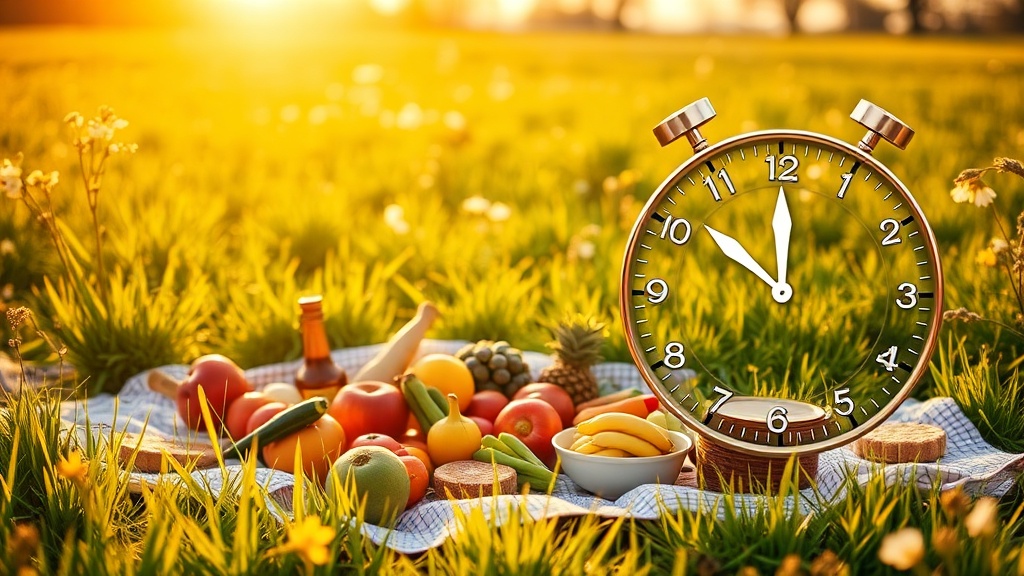
Bio‑Harmony Eating: Sync Your Spring Meals with Your Circadian Rhythm

What is bio‑harmony eating and why does it matter this spring?
When daylight stretches longer and the air smells of fresh grass, I feel a familiar tug to reset our family’s routine. Bio‑harmony eating is the practice of syncing meals with your body’s internal clock – the circadian rhythm – to boost energy, mood, and metabolism. In 2026, leading nutritionists are calling it a cornerstone of age‑defying wellness, especially as we transition into spring’s brighter days.
How does the body’s clock influence digestion and energy?
Our master clock sits in the brain’s suprachiasmatic nucleus, but every organ has its own peripheral rhythm. When we eat at times that clash with these rhythms, hormones like insulin and cortisol can spike at the wrong moments, leading to sluggishness or weight gain. A 2025 review in Journal of Health, Population and Nutrition shows that meal‑timing aligned with circadian signals improves glucose control and reduces inflammation.
Which foods align best with your circadian rhythm in spring?
Spring is nature’s pantry. Light, fresh foods that are low in heavy fats and simple sugars support the body’s natural rise and fall of insulin. Think:
- Leafy greens (spinach, arugula) – high in magnesium, which helps the clock stay steady.
- Bright berries – antioxidants that protect against oxidative stress that spikes in the evening.
- Seasonal root veggies (radishes, carrots) – provide steady carbs for mid‑day energy.
- Protein from eggs or wild‑caught fish – supports muscle repair when paired with morning sunlight.
When should you eat breakfast, lunch, and dinner for optimal wellness?
Here’s the timing I’ve refined through countless family road‑trips and spreadsheet‑level planning:
- Breakfast (7‑9 am) – Light, protein‑rich foods within two hours of sunrise. Example: Greek yogurt with sliced strawberries and a sprinkle of chia seeds.
- Lunch (12‑2 pm) – Balanced carbs and veg, ideally when the sun is highest. Example: Quinoa salad with roasted asparagus, cherry tomatoes, and a drizzle of lemon‑olive oil.
- Dinner (6‑8 pm) – Smaller portions, lower carbs, and higher protein to avoid late‑night insulin spikes. Example: Grilled salmon, steamed broccoli, and a side of sweet potato wedges.
For families with kids, I set a gentle “no‑screen” rule 30 minutes before dinner – the blue light can push the clock later, making bedtime battles harder.
How can I create a spring meal plan that fits my family’s schedule?
I treat a meal plan like a project timeline – a spreadsheet that maps meals to daylight hours, grocery trips, and activity blocks. Follow these steps:
- Map your daylight window. In March, sunrise in Minneapolis is around 7:15 am and sunset near 7:45 pm. Mark these on a simple table.
- Choose a theme for each day. Monday: “Green Power” (lots of greens), Tuesday: “Berry Boost,” etc. This keeps shopping lists short.
- Batch‑prep on weekends. Chop veggies, cook grains, and portion proteins into reusable containers.
- Insert snack windows. A 10‑minute snack (a handful of almonds or an apple) at 10 am and 4 pm keeps blood sugar steady.
- Review and adjust. At the end of each week, note energy levels, mood, and any cravings. Tweak the timing or food choices for the next week.
My family’s favorite spring snack? A quick “fruit‑and‑nut” combo that I pack in a reusable zip‑bag while we’re loading the car for a weekend campsite.
What are simple tips to stay on track with meal timing?
- Set phone alarms for each main meal – I label them “Sunrise Fuel” and “Sunset Refuel.”
- Keep a visible kitchen clock (or a smart speaker) that flashes a gentle reminder when it’s time to eat.
- Plan “flex windows” (±30 min) for busy days; consistency is more important than perfection.
- Use daylight‑blocking curtains in the evening to reinforce the natural cue that it’s time to wind down.
- Log meals in a shared Google Sheet – the same spreadsheet habit that helped me launch product releases now tracks our family’s nutrition.
Takeaway
Spring’s longer days are the perfect invitation to practice bio‑harmony eating. By aligning breakfast, lunch, and dinner with sunrise, solar noon, and sunset, you’ll notice steadier energy, better moods, and a metabolism that feels “in sync.” Grab a notebook, set a few alarms, and let the season’s fresh produce guide your plate. Your family’s next adventure will start with a well‑timed meal, not a rushed snack.
Related Reading
- Embracing Bio‑Harmony: How to Sync Your Family Life with Your Circadian Rhythm – deeper dive into family routines.
- Women’s Day 2026: Boost Longevity with Circadian Rhythm Optimization – gender‑specific insights.
- Spring Refresh: 5 Easy Indoor Gardens to Boost Mood & Air – pairing fresh herbs with your meals.