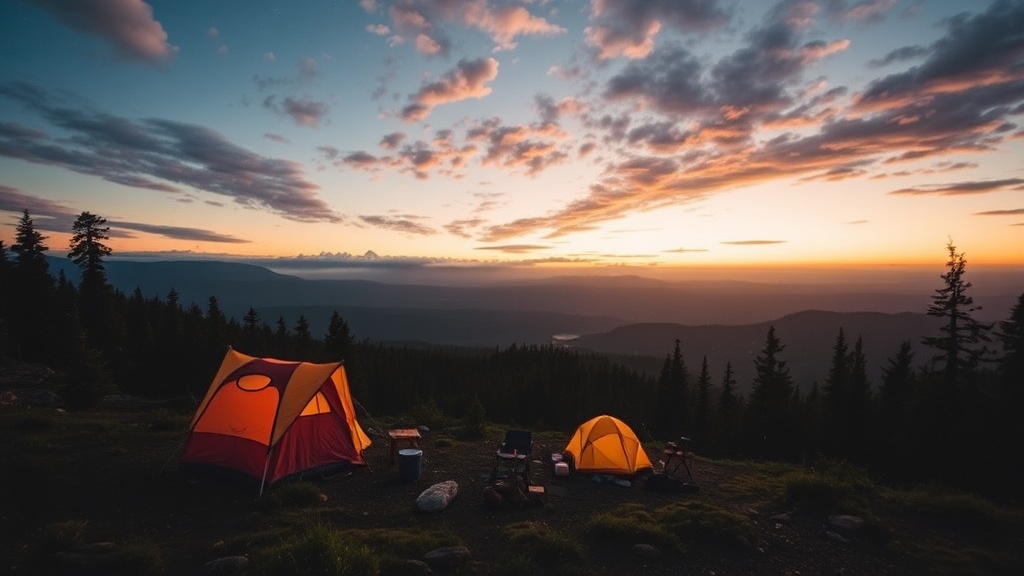
10 Hidden Gem Campgrounds You Need to Visit This Summer

Summer crowds at popular campgrounds can turn a peaceful outdoor retreat into a logistical headache. This guide highlights ten lesser-known campgrounds across North America that offer stunning scenery, family-friendly amenities, and manageable reservation windows—without the bumper-to-bumper RV traffic of Yellowstone or Yosemite. These spots deliver the kind of authentic camping experience that creates lasting family memories (and keeps the spreadsheet planning to a minimum).
Where Can Families Find Campgrounds Without the Summer Crowds?
The best hidden gem campgrounds sit just outside major tourist corridors—close enough for convenience, far enough for solitude. The ten locations below range from coastal California to the Canadian Maritimes, with a focus on sites that accommodate families with children of varying ages.
1. Jedediah Smith Redwoods State Park, California
Nestled in California's northernmost redwood groves, this campground offers 86 sites along the Smith River—one of the last undammed rivers in the state. Sites sit beneath old-growth canopy that blocks direct sunlight (and keeps temperatures 15-20 degrees cooler than inland areas). The Smith River provides swimming holes shallow enough for toddlers, while older kids can kayak the gentle current. Site 14 and Site 67 offer the best river access.
You'll need to book through ReserveCalifornia—reservations open six months out and fill within hours for summer weekends. Weekday arrivals snag spots more reliably.
2. Petit Jean State Park, Arkansas
Arkansas's first state park sits atop a forested mesa overlooking the Arkansas River Valley. The campground's 125 sites feature full hookups (rare for state parks), and the location serves as a base camp for waterfall hikes, cedar glade exploration, and the park's legendary sunrise views from Stout's Point. The on-site swimming pool operates Memorial Day through Labor Day.
The Rock House Cave contains 500-year-old Native American rock art—a 0.25-mile hike manageable for elementary-age children. Bring flashlights.
3. Cape Lookout State Park, Oregon
This 2,000-acre park juts two miles into the Pacific Ocean, creating a natural barrier that generates surprisingly calm beach conditions on the bay side. The campground offers 38 full-hookup sites and 186 tent sites spread across coastal forest. Whales migrate past the cape March through June and again in December.
The Netarts Spit hike (5 miles round trip) leads to the cape's tip—exposed and windy, but worth packing windbreakers for the view. Site 102 offers the most privacy in the tent loop.
4. Valdez Glacier Campground, Alaska
Located 6 miles from the small fishing town of Valdez, this municipal campground provides 87 sites with glacier views and ice-cold creek access (literally—the water comes straight off Valdez Glacier). The campground operates on a first-come, first-served basis—a rarity in peak Alaska season. Arrive before noon for the best selection.
The nearby Keystone Canyon waterfalls require zero hiking—just pull off the Richardson Highway. For families with older kids, the glacier itself offers guided kayak tours among icebergs. Alaska.org maintains current conditions and road status.
5. Fundy National Park, New Brunswick
Canada's Fundy National Park operates two campgrounds—Point Wolfe and Headquarters—between which you'll find 558 sites total. The park sits along the Bay of Fundy, home to the world's highest tides (up to 46 feet). At low tide, the ocean retreats half a kilometer, exposing tide pools teeming with sea stars, crabs, and the occasional sand dollar.
The park's heated saltwater swimming pool (fed by a mineral spring) operates even when the bay itself remains frigid. Worth noting: Point Wolfe Campground requires driving through a river ford—impassable at high tide. Check tide charts before arrival.
What Amenities Should Families Prioritize When Choosing a Campground?
Not all campgrounds are created equal for family camping. The difference between a restorative weekend and a stress-fueled disaster often comes down to three infrastructure elements: bathroom facilities, activity access, and reservation flexibility.
| Amenity | Why It Matters | Look For |
|---|---|---|
| Flush toilets + showers | Reduces packing volume; enables longer stays | Hot water availability, cleaning schedule posted |
| Junior ranger programs | Kids learn while parents set up camp | Ages 4-12, free activity booklets |
| Camp stores | Backup for forgotten items (batteries, sunscreen) | Firewood bundles, ice, basic groceries |
| Site spacing | Privacy and noise control | 25+ feet between fire rings, vegetation barriers |
6. Goose Island State Park, Texas
The "Big Tree"—a 1,000-year-old coastal live oak—anchors this Gulf Coast campground near Rockport, Texas. The park's 44 bayfront sites and 57 wooded sites offer year-round camping in a region most travelers overlook for the Hill Country. Wintering whooping cranes populate the adjacent Aransas National Wildlife Refuge November through March.
Fishing piers extend into St. Charles and Aransas Bays—no license required when fishing from the pier. The catch? Mosquitoes own this territory June through September. Pack industrial-strength repellent or aim for October through April visits.
7. Bowman Lake State Park, Montana
Glacier National Park's lesser-known northwest corner contains Bowman Lake—10 miles of dirt road from the nearest pavement, which filters out 90% of park visitors. The small campground offers 46 sites and a boat launch for non-motorized vessels. The water remains cold enough to chill beverages without ice.
The lake's western shore provides views of the Quartzite cliffs that rival anything along the more famous Going-to-the-Sun Road. Bring bear spray—this is grizzly territory. The nearby Polebridge Mercantile bakes fresh huckleberry bear claws daily (arrive before 10 a.m.).
8. Assateague Island National Seashore, Maryland/Virginia
Wild horses roam this barrier island where the Maryland and Virginia state lines meet. The Oceanside Drive-in campground provides 104 sites within 100 yards of Atlantic surf. Horses wander through campsites at dawn and dusk—keeping food secured becomes non-negotiable.
The Maryland side offers more amenities (showers, a visitor center); the Virginia side permits beach driving with proper permits. Both require reservations through Recreation.gov months in advance for summer weekends. That said, shoulder season (late September through October) delivers mild temperatures, empty beaches, and active wildlife.
How Early Should Families Book Summer Campground Reservations?
Timing varies dramatically by location and demand. National park campgrounds typically open reservations six months in advance (on the 15th of each month for dates six months out). State parks range from same-day availability to 13-month advance windows. Private campgrounds often accept bookings a year or more ahead.
9. Deception Pass State Park, Washington
Washington's most-visited state park contains 316 sites spread across three campgrounds—Cranberry Lake, Quarry Pond, and Forest. The park straddles the Deception Pass Bridge, connecting Whidbey and Fidalgo Islands. Saltwater shoreline totals 19 miles; freshwater lakes add another 6.
Cranberry Lake sites (124-149) provide the best sunset views over the water. The lake itself warms to swimmable temperatures by mid-July—a rarity in the Pacific Northwest. Kayak rentals operate from the boat launch June through Labor Day. Here's the thing: Washington State Parks use a unique reservation system that opens at 7 a.m. PST, nine months in advance. Set alarms.
10. Killbear Provincial Park, Ontario
The granite shoreline of Georgian Bay creates a landscape that feels more like coastal Maine than central Canada. Killbear's seven campgrounds contain 880 sites total, with the most desirable (Granite Saddle, Lillies) booking within minutes of the five-month reservation window opening.
The park's rocky outcroppings provide natural playground structures for kids—though supervision matters, as some drops exceed 20 feet. The Visitor Centre runs excellent programming, including evening wolf howls (recordings played, not actual wolves—usually). The nearby town of Parry Sound provides grocery and medical backup 30 minutes away.
Gear Recommendations for Hidden Gem Camping
Remote campgrounds demand self-sufficiency. The following items reduce friction:
- Water storage: The Reliance Aqua-Tainer 7-gallon jug provides enough capacity for two days of drinking and dishwashing when spigots require walking.
- Lighting: Goal Zero Crush Light solar lanterns collapse flat and recharge during day hikes.
- Power: The Jackery Explorer 500 keeps devices charged at sites without electrical hookups—enough for 3-4 phone charges plus camera batteries.
- Cooking: The Coleman Classic Propane Stove operates reliably in wind (common on coasts and mountains) and accommodates two full-size pans simultaneously.
- Shelter: REI Co-op Base Camp 6 withstands wind and rain better than budget alternatives—critical when weather shifts quickly in exposed locations like Assateague or Bowman Lake.
"Camping is the answer. Who cares what the question is." — Author Unknown
The spreadsheet approach to family camping—checking off gear lists, confirming reservations, mapping driving routes—eliminates the chaos that derails outdoor experiences. These ten campgrounds reward that preparation with locations that feel discovered rather than developed. Pack the headlamps. Print the tide charts. Book the sites.